How Long Furnaces Last in Wyoming
Furnace life in Wyoming is shaped by how hard the system works each winter, and by how well it is looked after between seasons.
Furnace advice
Plain answers about furnaces, written for Wyoming homes. No jargon, no sales talk, just what helps when winter is doing its worst.
Why we write
Most furnace trouble gives warning signs first, and most homeowners would rather catch those signs than face a cold house at midnight. The blog exists for that reason: to explain, in plain words, what a noise means, what a cold room means, and what to do next.
We write about Wyoming conditions specifically, because generic heating advice often misses the point here. Altitude, wind, propane supply, and long cold stretches change the answers, and a post written for a mild climate can mislead a Wyoming reader.
Every post links to the services it mentions, so you can move from reading about a problem to getting help with it. If a post raises a question it does not answer, call us and ask. That is what the phone is for.
What you will find
The first ten posts cover the questions we hear most: how long furnaces last, the signs of trouble, cold air from the vents, fuel choices, and what to do when the heat dies in deep winter. Each one is written around one question, answered directly, without padding.
Comparison posts are honest about tradeoffs. A furnace versus a heat pump in a cold climate is not a simple win for either side, and gas versus electric versus propane depends on what fuel your home can actually get. We lay out both sides and let the facts speak.
Safety posts get special care. Carbon monoxide is invisible and odorless, and a furnace is one of the appliances that can produce it when venting fails. Those posts explain detectors, venting, and warning signs in words anyone can follow.
The US Environmental Protection Agency also publishes indoor air guidance that covers combustion appliances and the detectors that guard against carbon monoxide.
Reading order
If your furnace is acting up right now, start with the signs post or the cold air post, depending on what you are seeing. If it died, go straight to the winter emergency post. If everything is fine and you want to keep it that way, the winter checklist is the best place to begin.
If you are planning a replacement or a new install, the repair or replace post and the condensing furnace post will help you think through the choice before you talk to anyone about equipment.
New posts will join these over time, always with the same rule: written for Wyoming, in plain language, about real furnaces in real houses.
How to use it
The posts below are not arranged as a news feed, and there is no need to read them in order. Each one answers a single question, so the useful way in is through the problem in front of you: a noise, a cold room, a fuel choice, or a furnace that has stopped.
Start with the card title that matches what you are seeing. A title about cold air will not waste time on installation, and a title about fuel choice will not wander into maintenance. That one-question-one-post rule is deliberate, and it is why the cards read like a shelf of answers rather than a diary.
If two titles both seem to fit, read the shorter description under each card first. One of them will usually name your situation more closely, and that is the post to open.
Winter reading
For readers who want a path through the ten posts, here is one that follows the season. Begin with the winter checklist in autumn, then the signs post, so you know what to watch for. The cold air post and the fuel comparison follow naturally once the heating season is underway.
The safety post about carbon monoxide deserves a read before winter, not during an alarm. Detectors, venting, and warning signs are easier to absorb calmly, and the post is written to be read that way, in plain language and without alarm.
The remaining posts answer the bigger decisions: how long furnaces last, whether to repair or replace, how a furnace compares with a heat pump in a cold climate, what a condensing furnace is, and what to do when the heat dies in deep winter. Read those when the question arises, not before.
Next step
Reading about a furnace problem is useful, but it has limits. A post can explain why a furnace short cycles or what a yellow flame can mean, yet it cannot see your furnace, hear it, or test it. When the post points toward a fault, the next step is a conversation, not another article.
That conversation works best with the same details the posts ask about: fuel, symptoms, and when the trouble began. If a post helped you name the problem, say so on the call, since it gives the technician a head start on the diagnosis.
If the furnace has stopped in cold weather, skip the reading and call first. The emergency post says the same thing: the first hour matters, and warmth comes before words.
Blog
Furnace life in Wyoming is shaped by how hard the system works each winter, and by how well it is looked after between seasons.
The early warnings are usually small, a new noise, a room that never warms, a bill that climbs. This post sorts them out.
Cold air from the vents has several causes, and most of them are simple to explain once you know where to look.
Heat pumps have improved, but Wyoming winters still ask hard questions of them. This comparison stays honest about both sides.
A practical checklist for autumn, written for Wyoming homes, that covers the jobs worth doing before the cold sets in.
Carbon monoxide has no smell and no color, which is why furnace venting and detectors deserve real attention.
When the heat goes out in deep winter, the first hour matters. This guide walks through the safe steps in order.
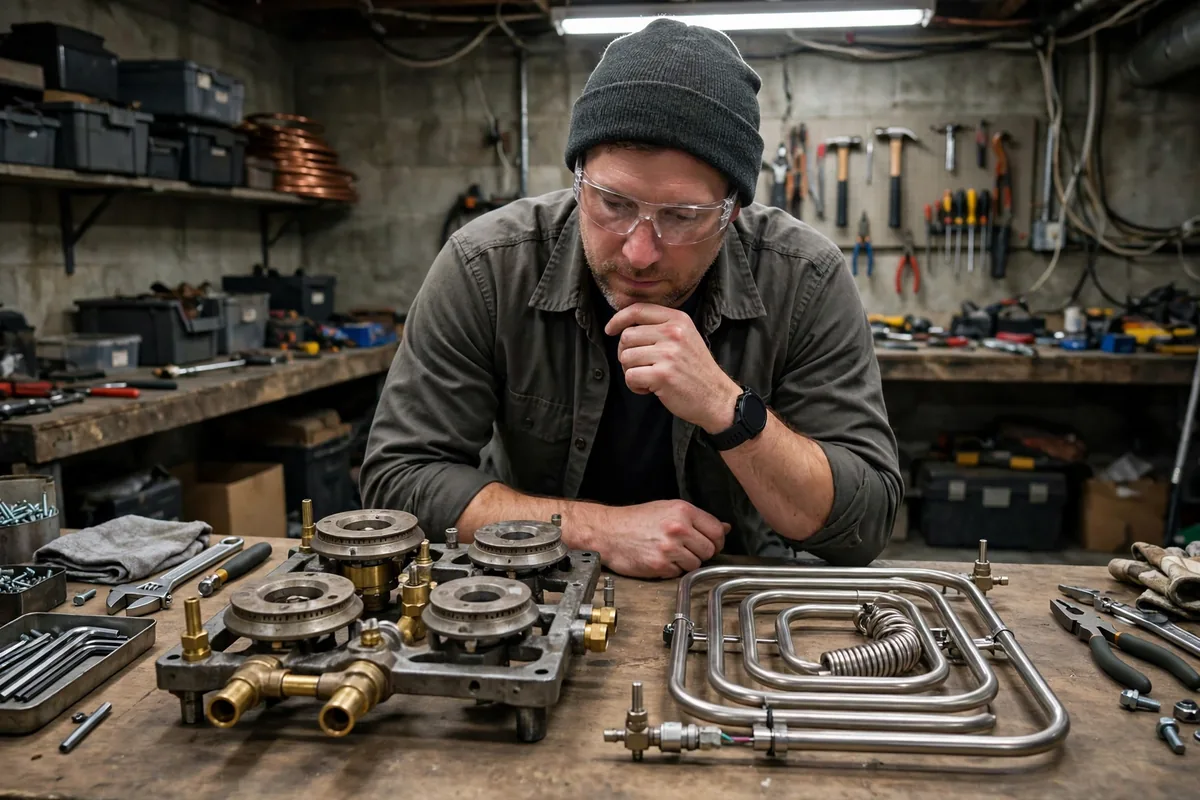
Three fuels, three kinds of furnace, and very different tradeoffs in a state where some homes sit far from any gas main.
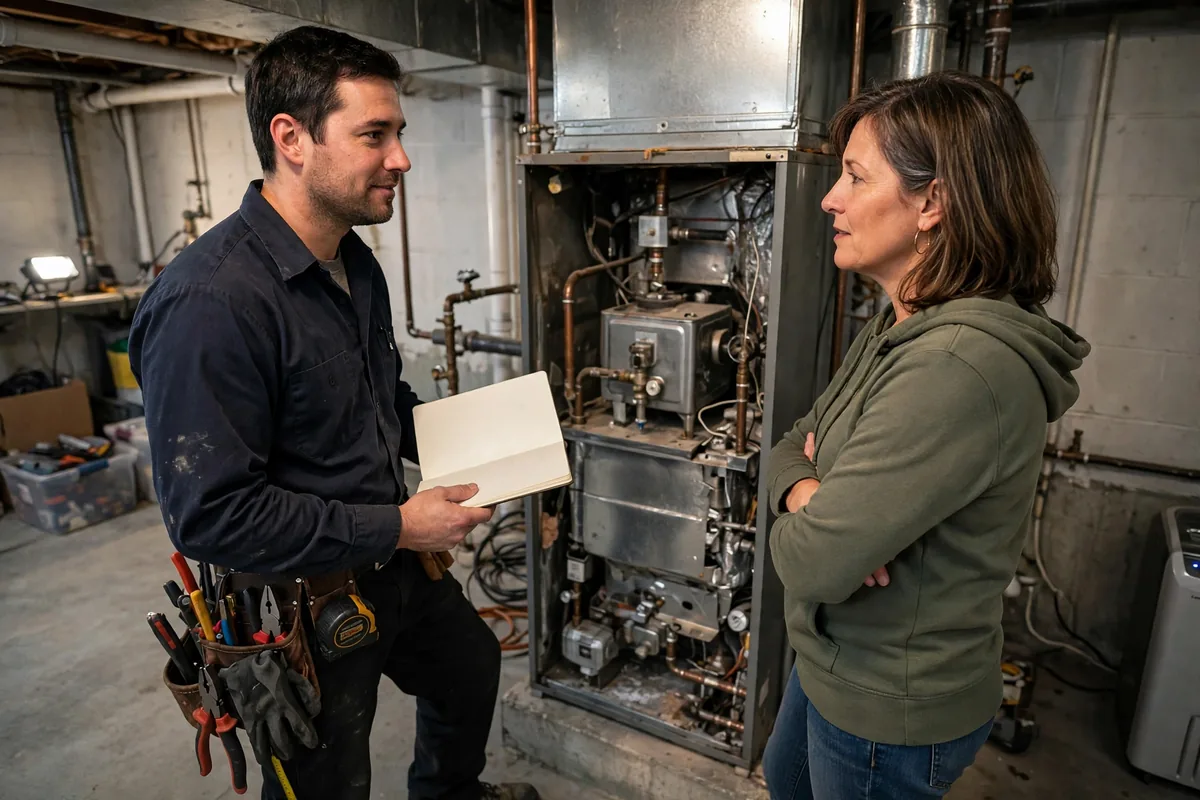
Age, repair history, and comfort all pull in different directions. This post gives a plain way to weigh them.
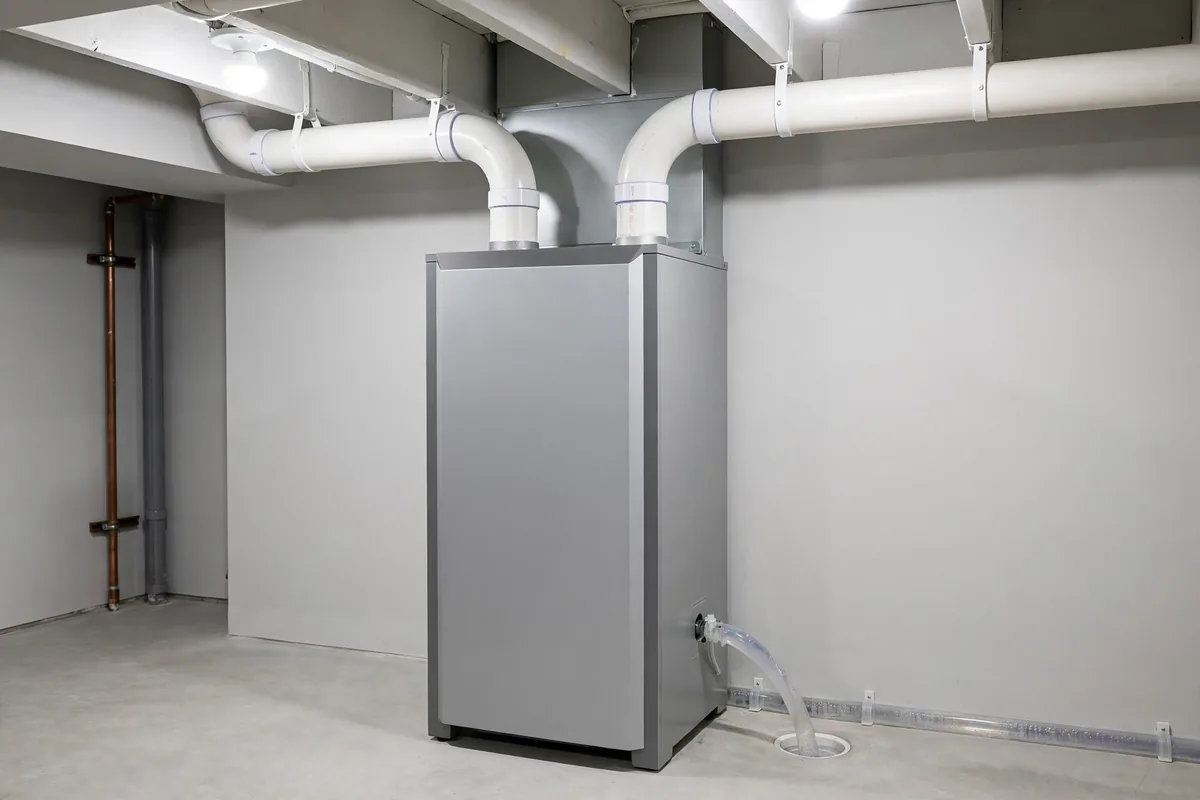
A condensing furnace squeezes extra heat from its exhaust. Here is how it works, and where it fits in Wyoming homes.
Read something that matches your furnace? Call Frontier Heating and talk it through.
Call (307) 309-8601Yes. The posts are written around Wyoming conditions: altitude, wind, propane supply, and long cold stretches. Generic heating advice can mislead a Wyoming reader, so each post keeps the state's winters in mind.
No. A post can explain a problem and help you describe it, but it cannot inspect, test, or repair a furnace. When a post points toward a fault, the next step is a call, and the visit itself is where the diagnosis happens.
Yes. The first ten posts cover the questions heard most, and new posts will join them with the same rule: written for Wyoming, in plain language, about real furnaces in real houses.
Yes. Call and ask, and the question will be answered in conversation. Topics that come up often may also become future posts, since the blog grows out of the questions readers actually ask.
The winter emergency post, which walks through the safe steps in order. If the furnace runs but blows cold air, the cold air post fits better, and if it shows a new noise or a cold room, the signs post is the place to start.
Yes. Gas, electric, and propane all appear across the posts, including a comparison post that lays out the tradeoffs between the three. Fuel specific detail also lives on the matching service pages.
Browse the posts above for plain furnace advice, or call us if your furnace needs attention now.