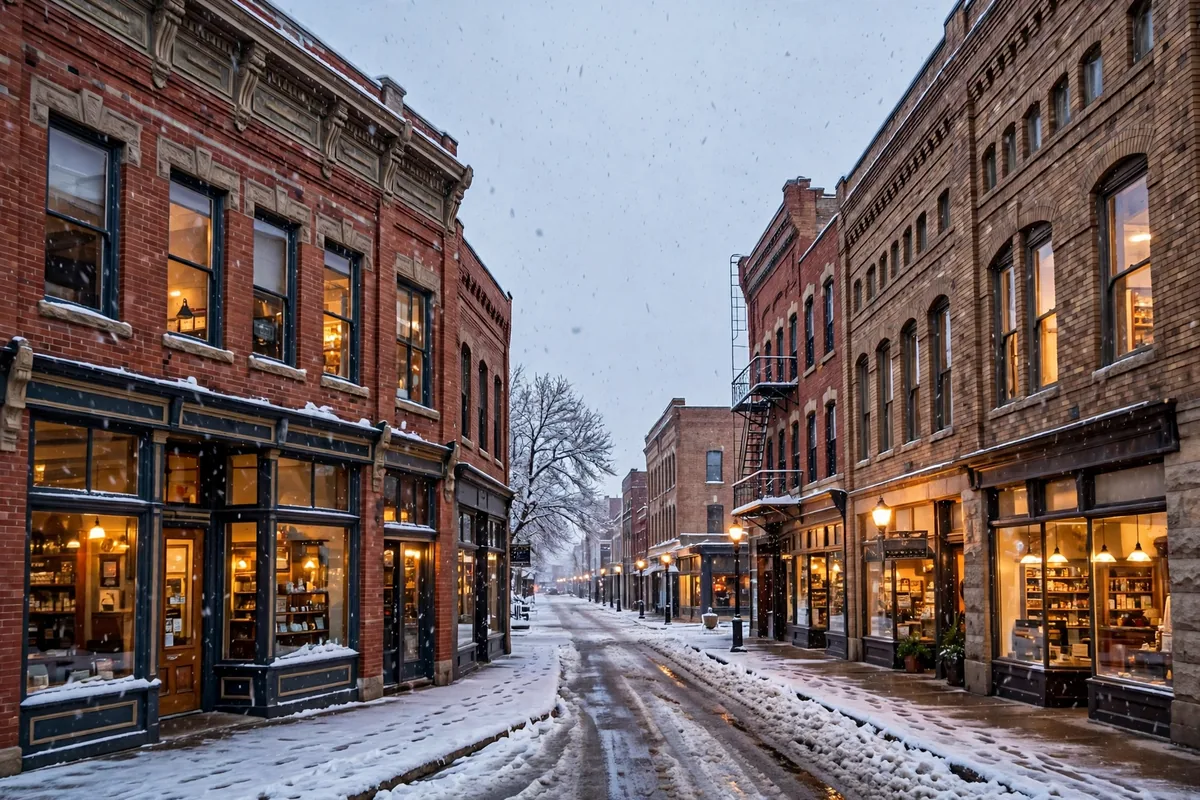
Cheyenne
As the state's largest city, Cheyenne mixes downtown blocks, suburbs, and outlying acreages, so no two heating setups look quite the same from one street to the next.
Where we work
Wyoming is a big state with a small population, and furnace help has to travel. These are the towns we serve, each with its own local page.
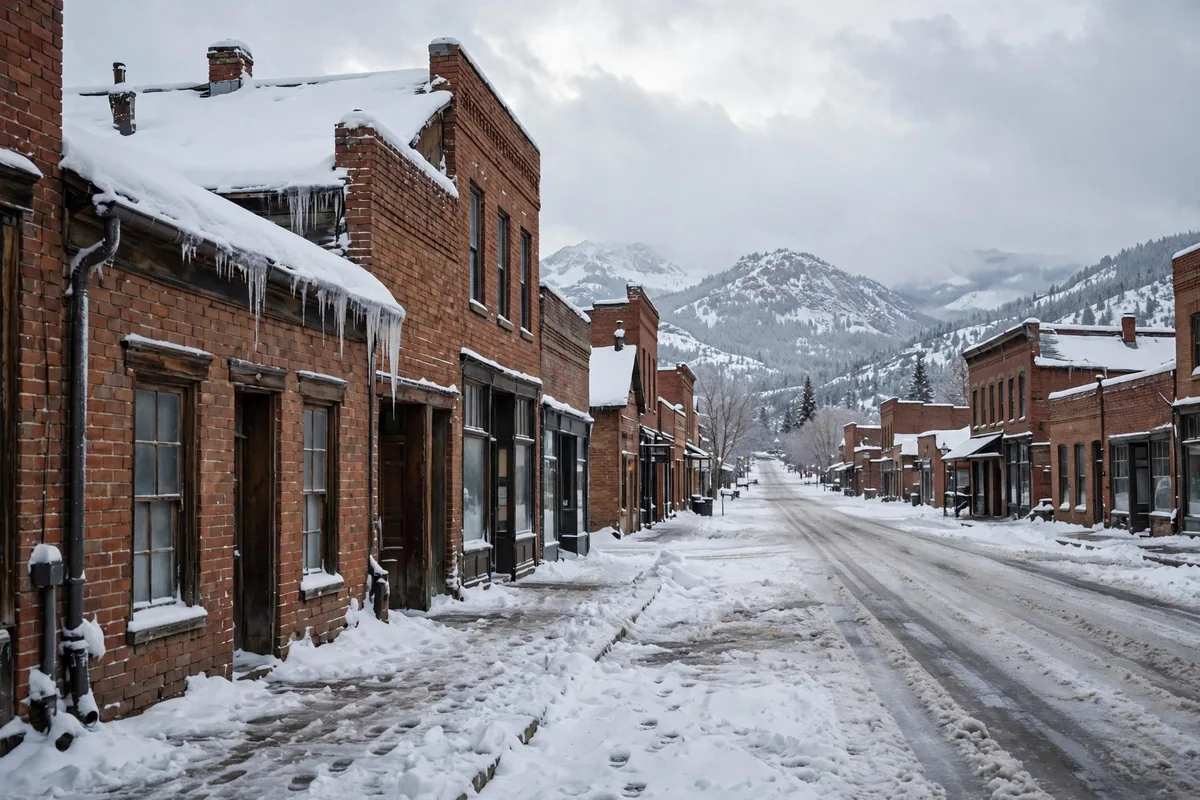
Statewide, truly
Wyoming towns are far apart, and the land between them is real country, not suburbs. A furnace visit here can mean a long drive in snow, which is why we ask good questions on the first call and plan the visit properly. The goal is simple: arrive ready, fix the problem, and leave the house warm.
Each town on this page has its own character, and that character changes how furnaces fail. A high mountain town deals with altitude and deep snow, a plains town deals with wind, and a river town deals with damp cold that seeps into older homes. The town pages describe those differences honestly, because they change what a technician checks first.
Rural homes between towns are part of the job too. If you live outside a town on this list, call us anyway and tell us where you are. Statewide means statewide, and we would rather have the conversation than leave you guessing.
How to use this page
Each town card links to a page about furnace work in that town, with local notes on housing, weather, and the problems that show up most often there. If you are comparing towns, the pages are written to be genuinely different, because the towns are genuinely different.
If your town is not on this list, the nearest town page is still a useful read, and a call will settle the question of coverage faster than any page can. We keep the list honest: these are the towns we know well and serve regularly.
For service detail, the services page lists everything we do. Town pages and service pages link to each other, so you can move from a place to a service and back without hunting through menus.
Winter travel
The hardest furnace calls come on the worst weather days, and that is when travel takes the longest. We plan around storms and road conditions, and we stay in touch about timing, because a vague arrival window on a cold day helps nobody.
While you wait, the blog post about a furnace dying in a Wyoming winter walks through the safe steps to take, like protecting pipes and keeping one room warm. It is worth a read before you ever need it.
The short version is this: call early, describe the problem clearly, and keep the path to the furnace clear if you can. Everything else, we will handle when we arrive.
Across the state
The fifteen towns on this page fall roughly into five parts of the state. The southeast holds Cheyenne and Laramie, the central towns include Casper, Douglas, Riverton, Lander, and Rawlins, the northeast holds Gillette and Sheridan, the northwest holds Cody and Powell, and the southwest holds Rock Springs, Green River, Evanston, and Jackson.
Those groupings are a convenience for browsing, not hard borders. Furnace trouble does not respect county lines, and neither does the service: a town page describes local conditions, but the help behind it is statewide, and a reader in one region can use the same services as a reader in another.
If your town is not among the fifteen, the services page still applies, and a call will settle what can be arranged. The town pages cover the places where furnace questions come up most, not the limits of where help reaches.
Winter travel
Winter in Wyoming can close roads and ground travel, and that reality shapes how visits are arranged. The first conversation covers the furnace, the fuel, and the symptoms, so that when travel is possible, the visit is useful and the technician arrives with the right picture of the job.
Storms sometimes shift plans, and when they do, the change is communicated rather than left to guesswork. A visit that cannot happen on the day planned is rearranged, not forgotten, and the homeowner is kept in the loop about what happens next.
Between visits, there are steps a homeowner can take that help: keeping the area around the furnace clear, noting when the trouble started, and keeping the thermostat setting steady. Those small details make the eventual visit shorter and more certain.
Using the pages
Each town page opens with the local picture: what kind of homes the town has, what the winter does there, and which furnace troubles show up most. That context matters because a windy town and a valley town do not stress a furnace in quite the same way.
After the local picture, the page lists the services that apply there, with links to the full service pages. The town page itself does not try to repeat the service detail; it points to it, so the service pages stay the one place where each job is described fully.
Every town page also answers the questions its readers ask most, in its own words. If your town page does not answer your question, the blog may, and if neither does, a call will.
Locations
As the state's largest city, Cheyenne mixes downtown blocks, suburbs, and outlying acreages, so no two heating setups look quite the same from one street to the next.
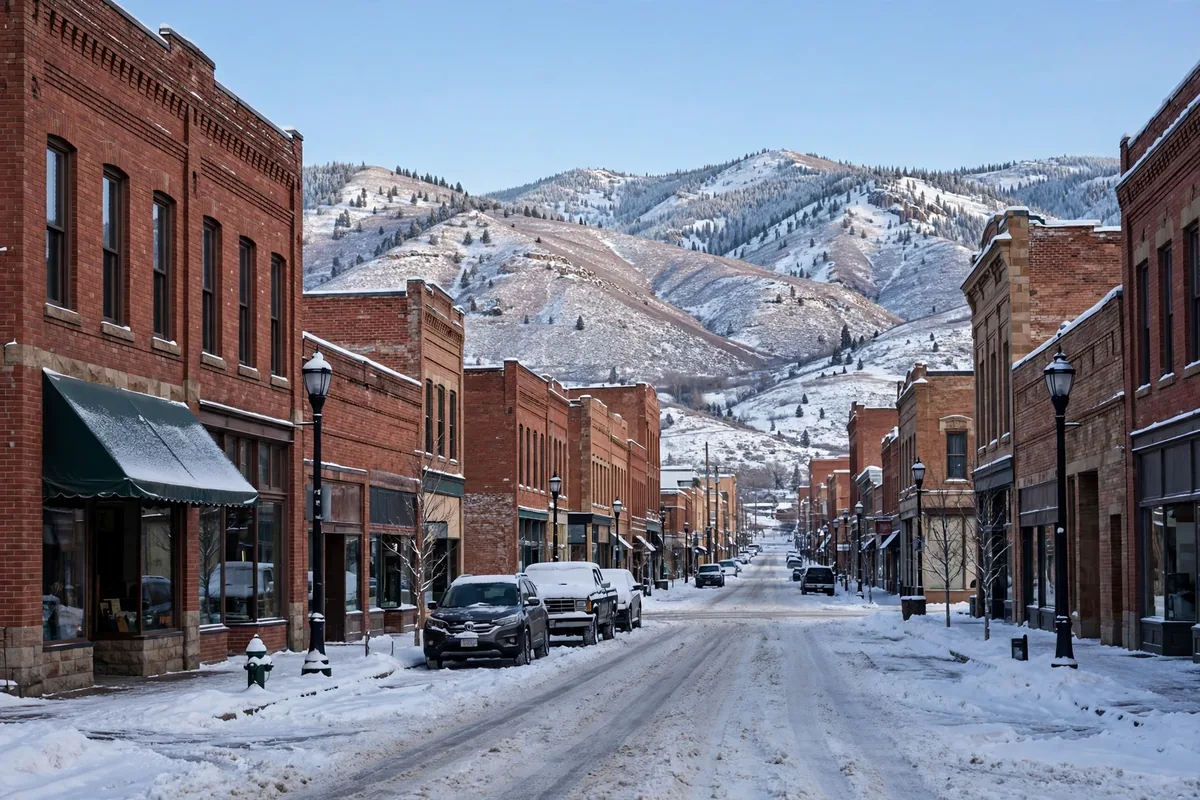
Sitting where the plains meet the river, Casper homes swing between still, bitter nights and sudden thaws, and that swing is what wears heating equipment down.
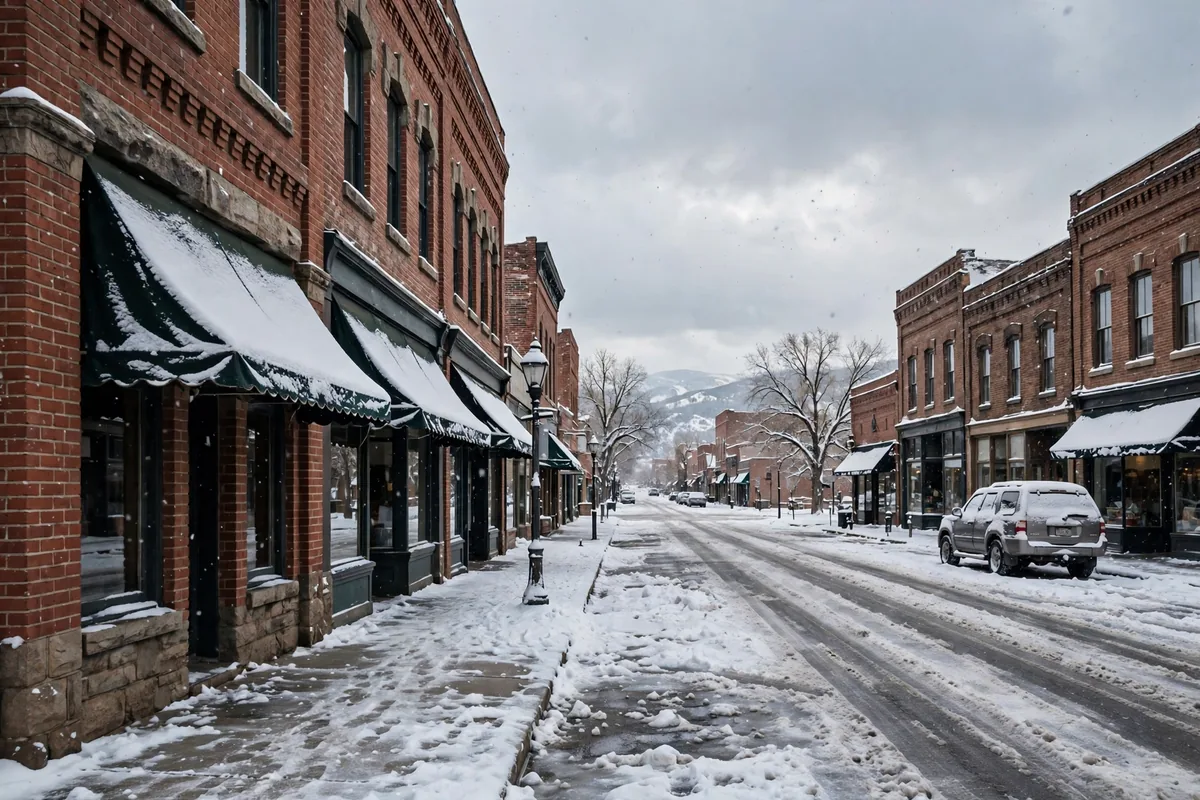
At more than 7,000 feet, Laramie is one of the highest towns in the state, and thin air plus relentless wind mean furnaces there rarely get a quiet week in winter.
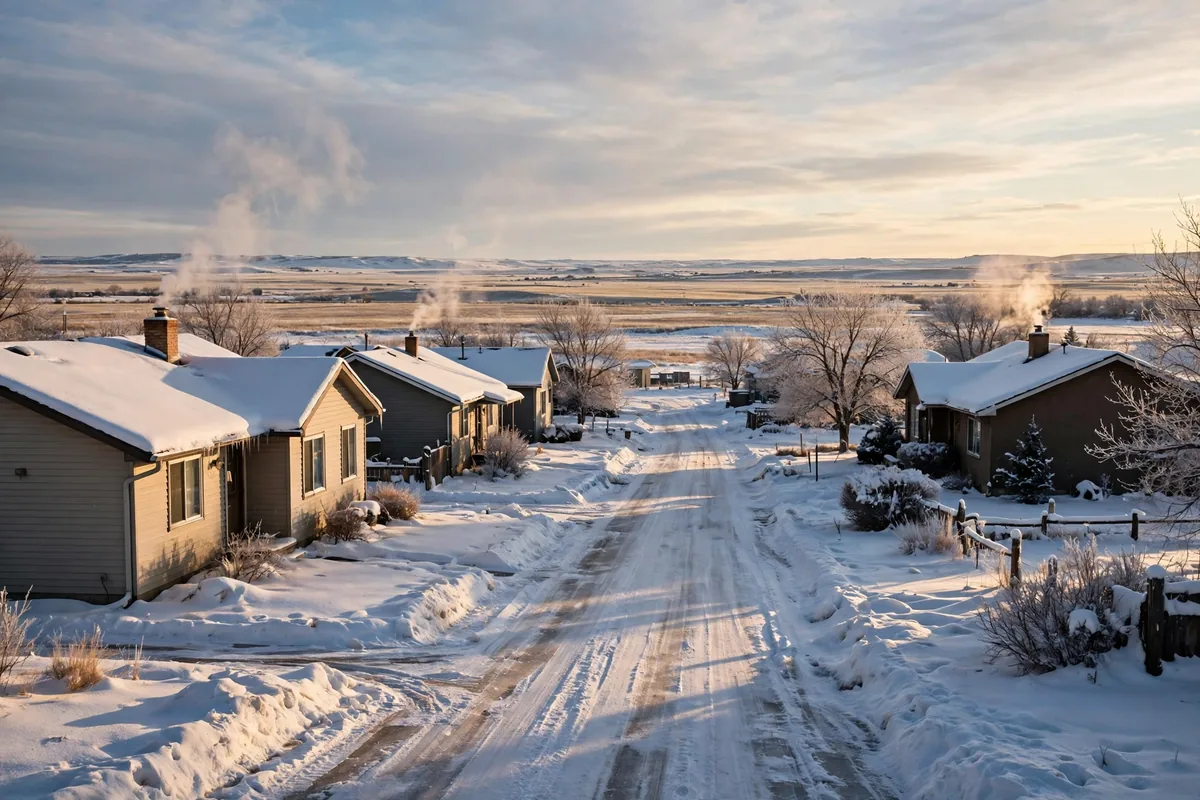
Homes here are spread across open country, and a furnace that quits on a ranch road outside town needs a technician willing to travel, not just one who works in town.
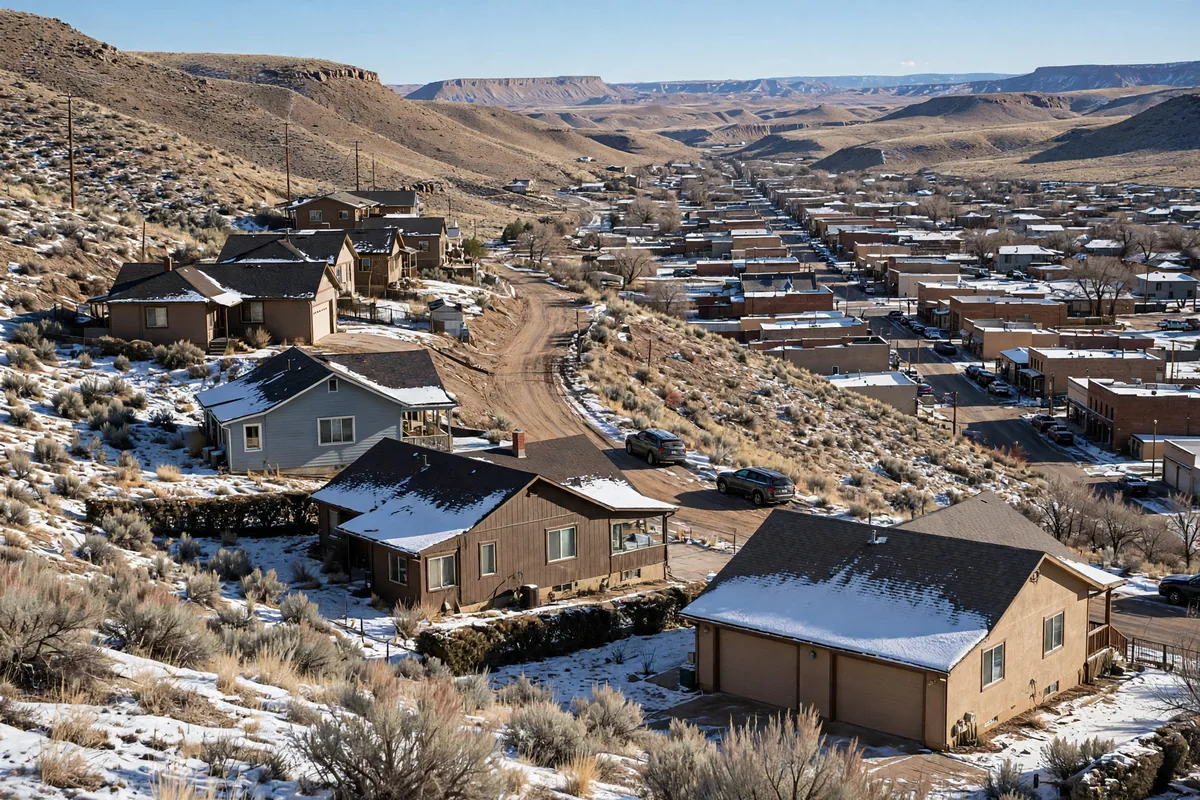
Desert cold in Rock Springs arrives fast after sunset, so evening warm-up speed matters more here than in towns where the cold builds slowly.
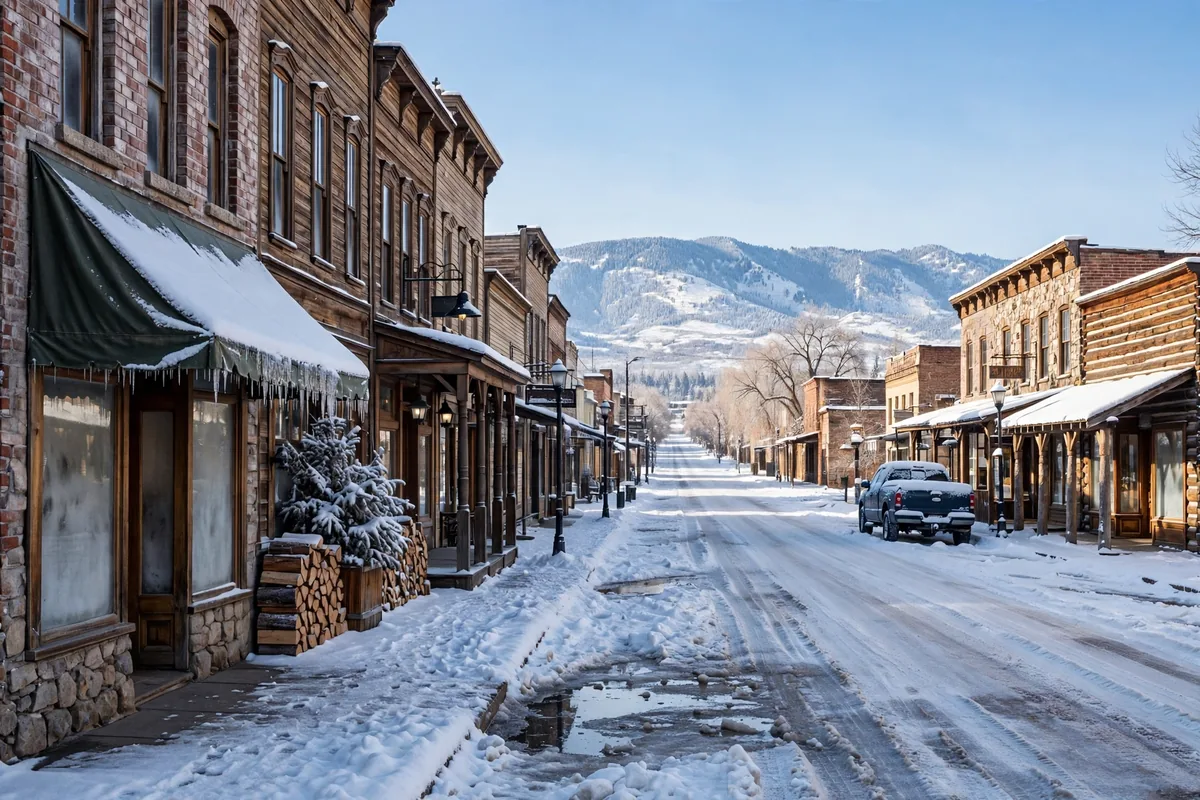
Sheridan's older ranch houses and newer subdivisions sit side by side, and the gap between a drafty original system and a modern one shows up fast on a January night.
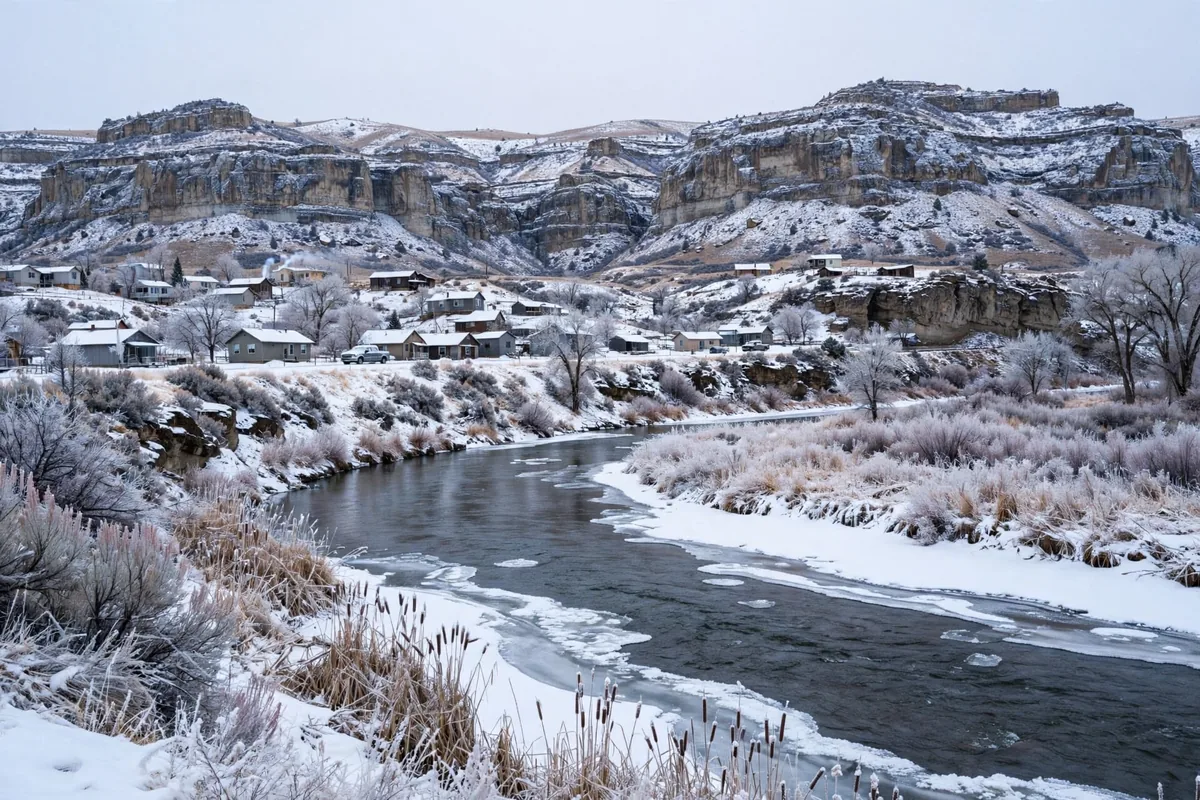
Green River's valley setting traps cold air on still nights, so furnaces in low-lying homes work longer stretches than the daytime temperature suggests.
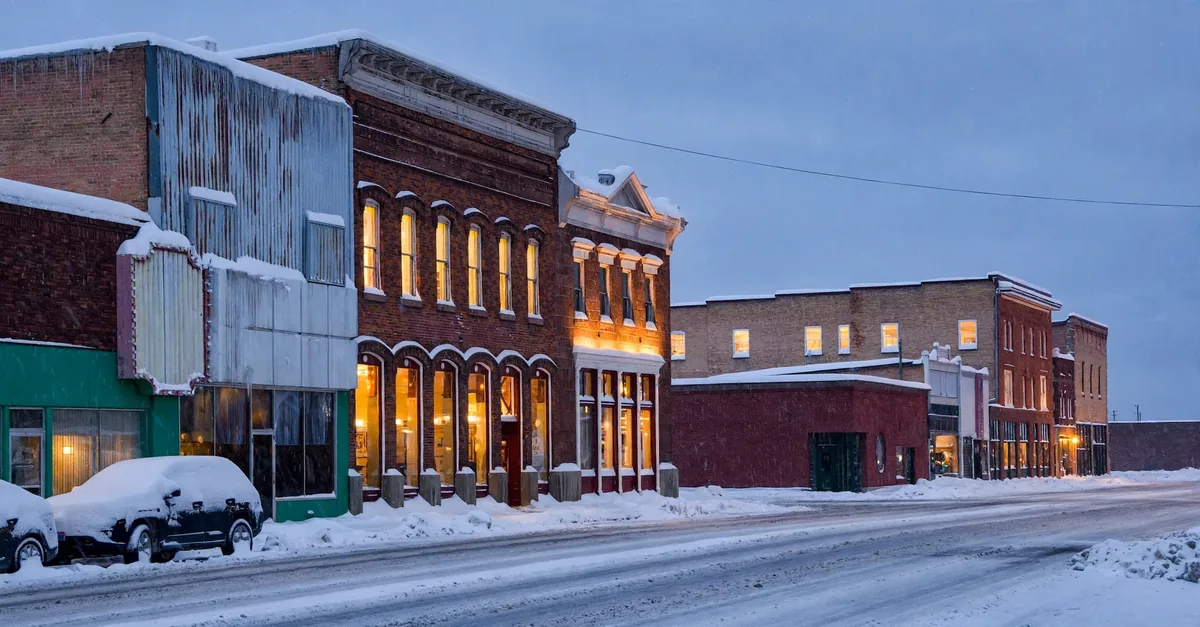
Evanston sits high near the state line, and storms rolling in from Utah can drop temperatures quickly, leaving little warning before a furnace is asked for full output.
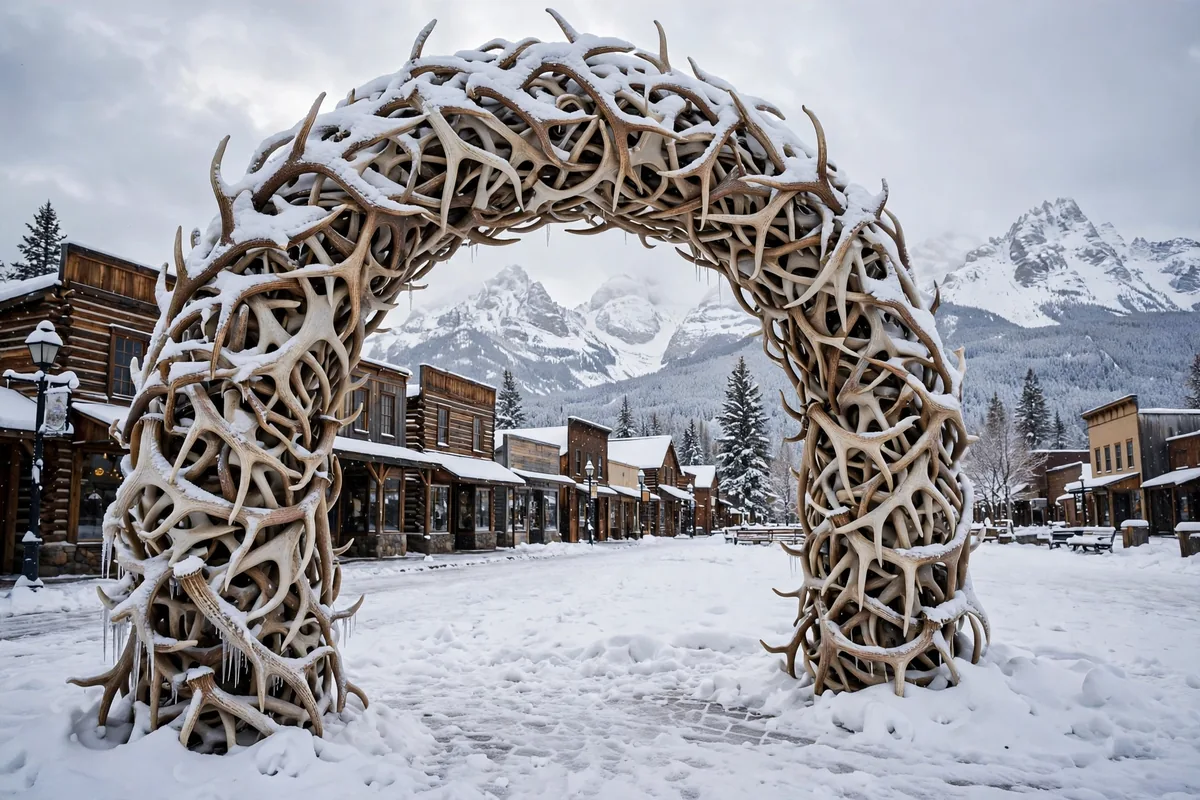
Jackson homes range from small cabins to large lodges, and the spread in house size means sizing a furnace right matters more here than in most Wyoming towns.
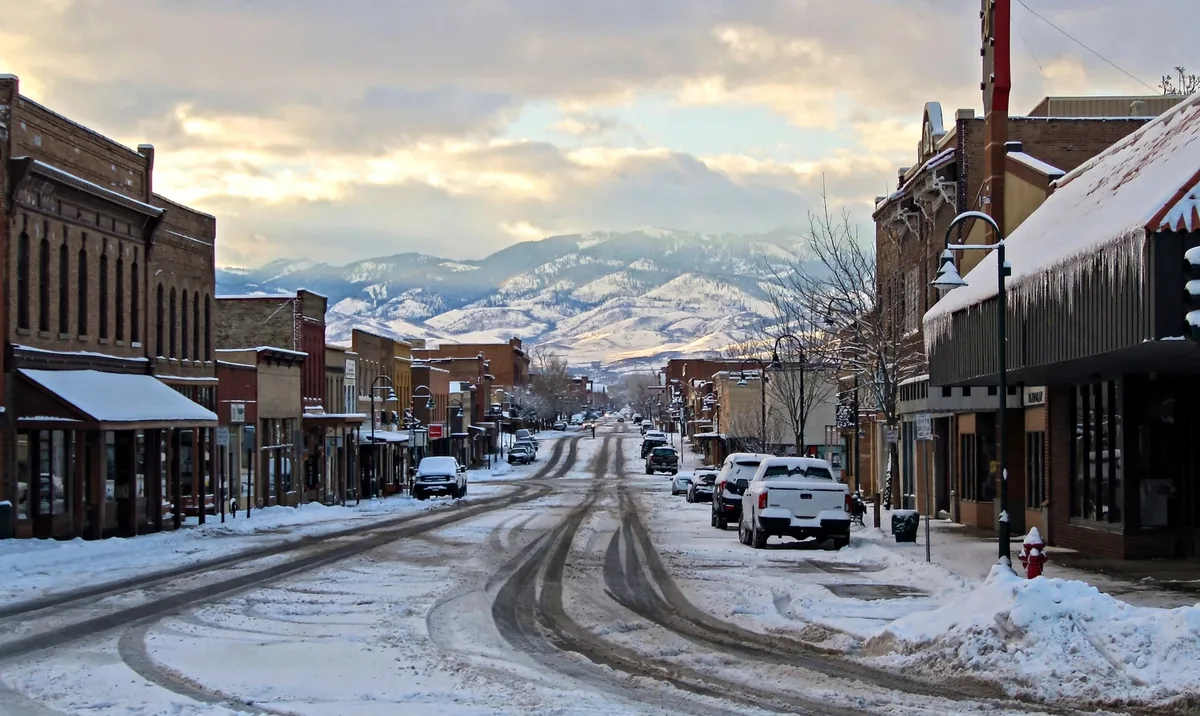
Riverton's dry, clear winter nights let heat escape fast once the sun drops, so a furnace that short cycles here shows its weakness within a single evening.
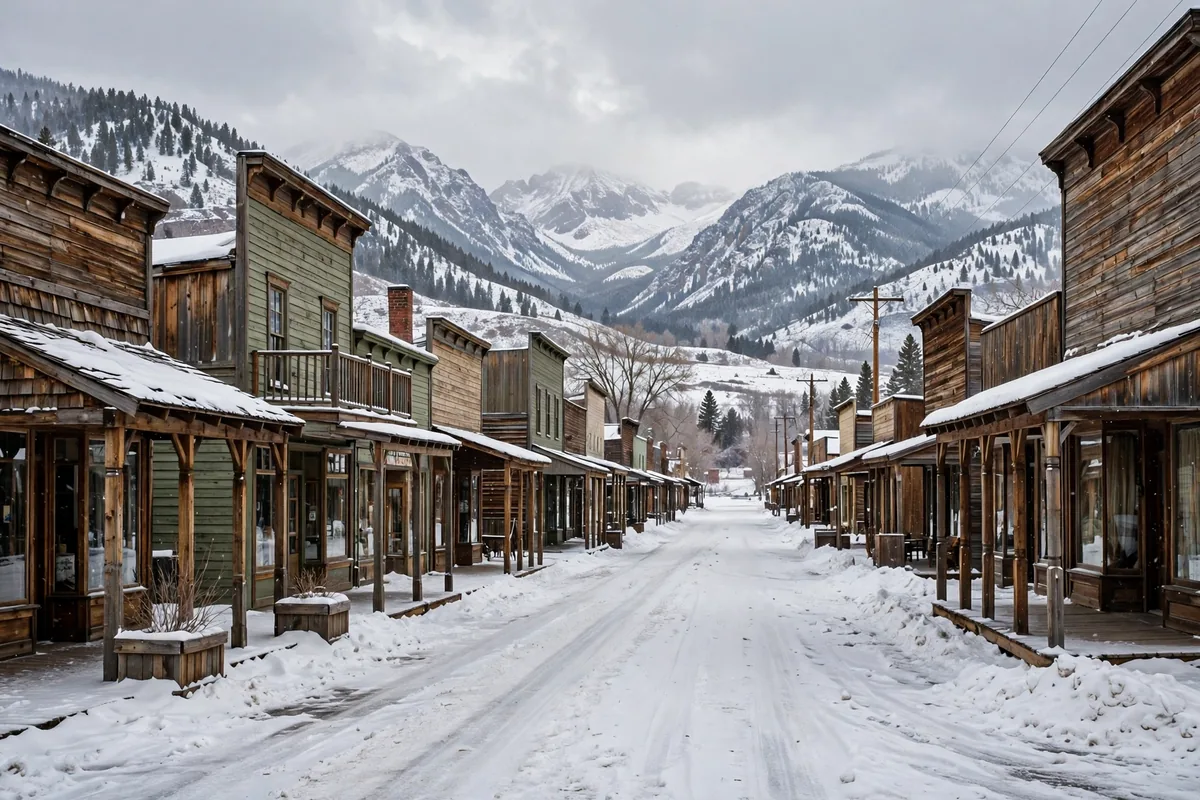
Cody's wind comes straight off the Absaroka front, and houses facing that wind need ductwork and seals checked as carefully as the furnace itself.
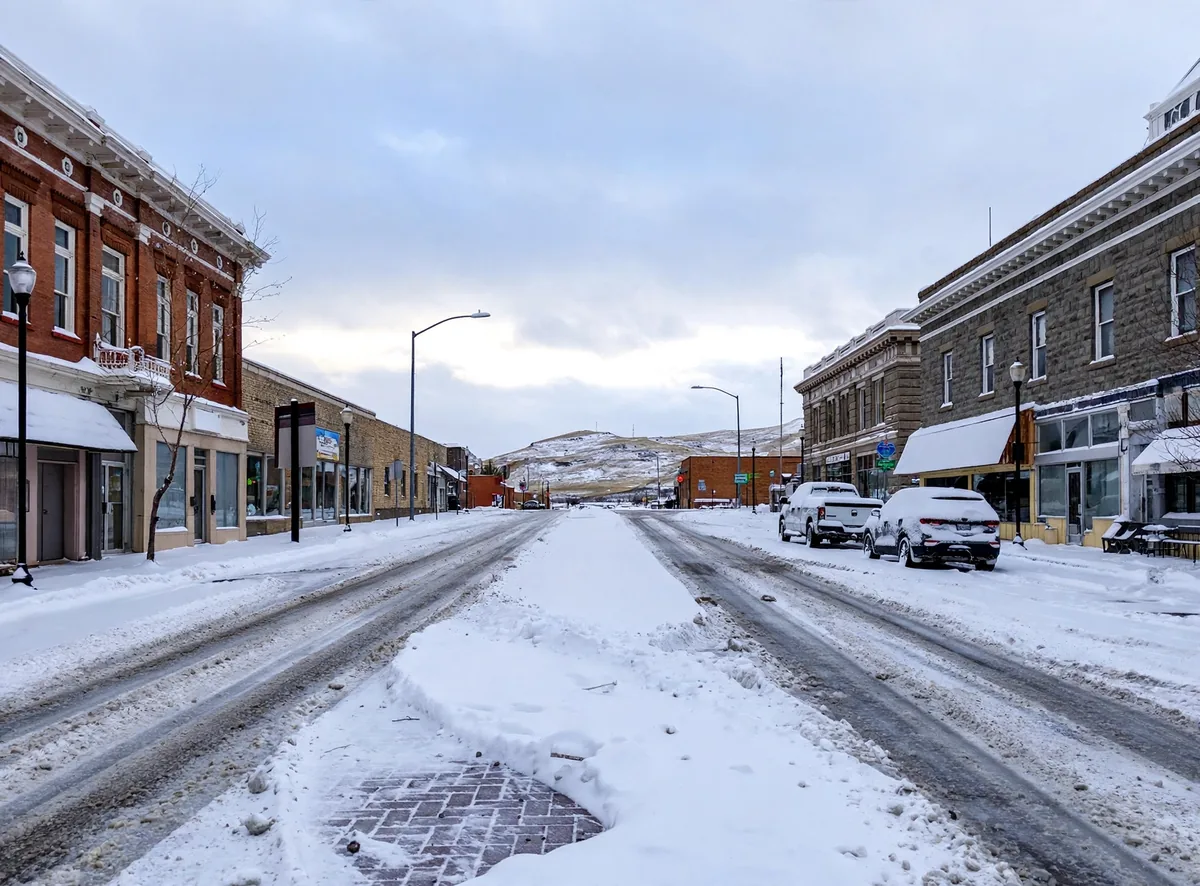
Rawlins sits exposed on the high plains, and with few hills to break the wind, its homes lose heat steadily all winter long.
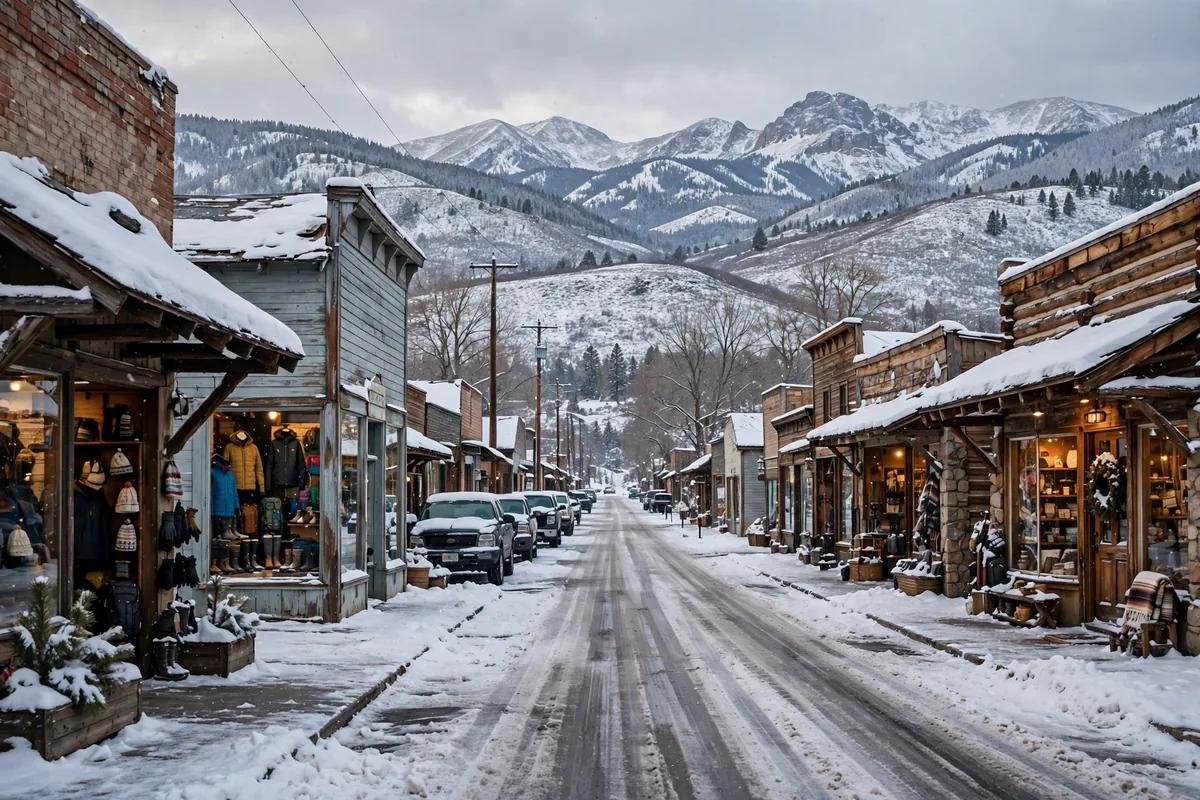
A Wind River foothills town where ranch homes and older houses face cold, clear winter nights.
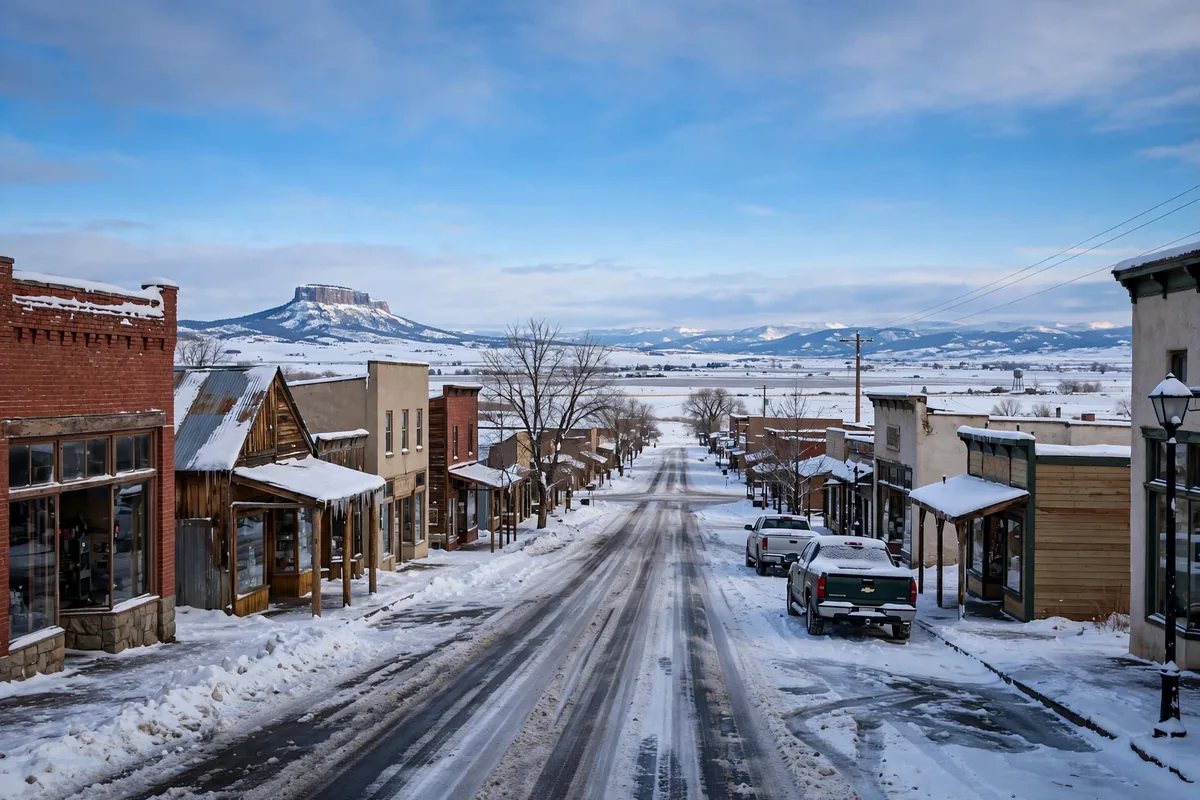
A farm town north of Cody, where irrigation country homes rely on steady furnace heat through long winters.
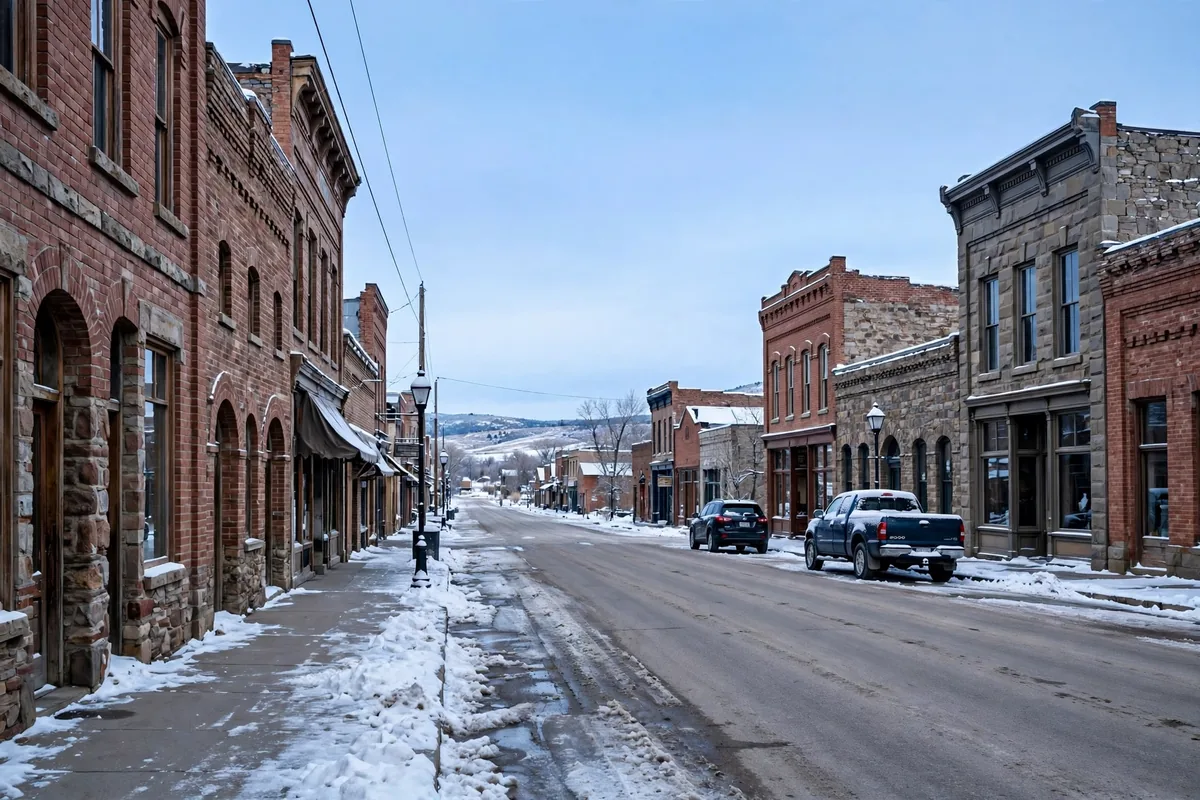
A railroad and ranch town on the North Platte, with winter wind sweeping across open plains.
Is your town on the list? Call Frontier Heating and tell us where you are.
Call (307) 309-8601No. The service itself is the same in a small town as in a city. What changes is the planning: distance and winter roads are taken into account when a visit is arranged, so the technician arrives prepared.
Snow and wind can delay travel, and a visit may need rearranging when roads close. When that happens, the change is communicated and the visit is rescheduled, not dropped. The first call also gathers the details that make the eventual visit count.
The fifteen town pages cover the places where furnace questions come up most, not the limits of service. If your town is not one of the fifteen, call and describe where you are and what the furnace is doing, and the next step will be talked through.
Yes. All fifteen services are offered statewide, and each town page links to the same service pages. Local conditions differ, but the work available does not.
Start with the page for the town where the furnace sits. If you live between towns, pick the nearest one, since nearby towns usually share winter conditions. The service pages themselves are the same whichever town page you start from.
Yes. Homes beyond town limits are part of statewide service, including propane homes beyond the gas main and rural properties. Mention your location on the first call so the visit can be planned with distance in mind.
Find your town above, or call us and tell us where you are. We cover Wyoming, town by town and mile by mile.