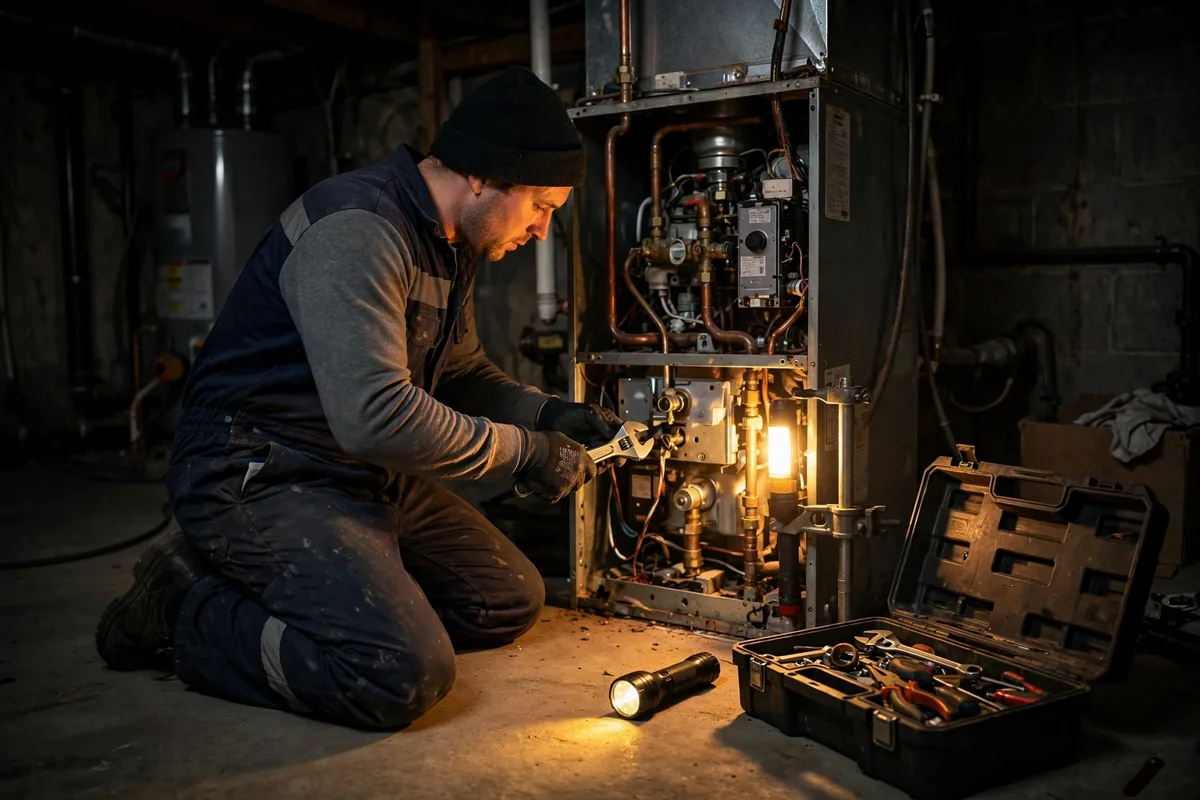
Emergency Furnace Repair
A no heat call gets a fast diagnosis, and the technician works through ignition, controls, and airflow until the cause shows itself.
All furnace services
Fifteen furnace services, one focus: keeping Wyoming homes and businesses warm. Each service below has its own page with the full detail.
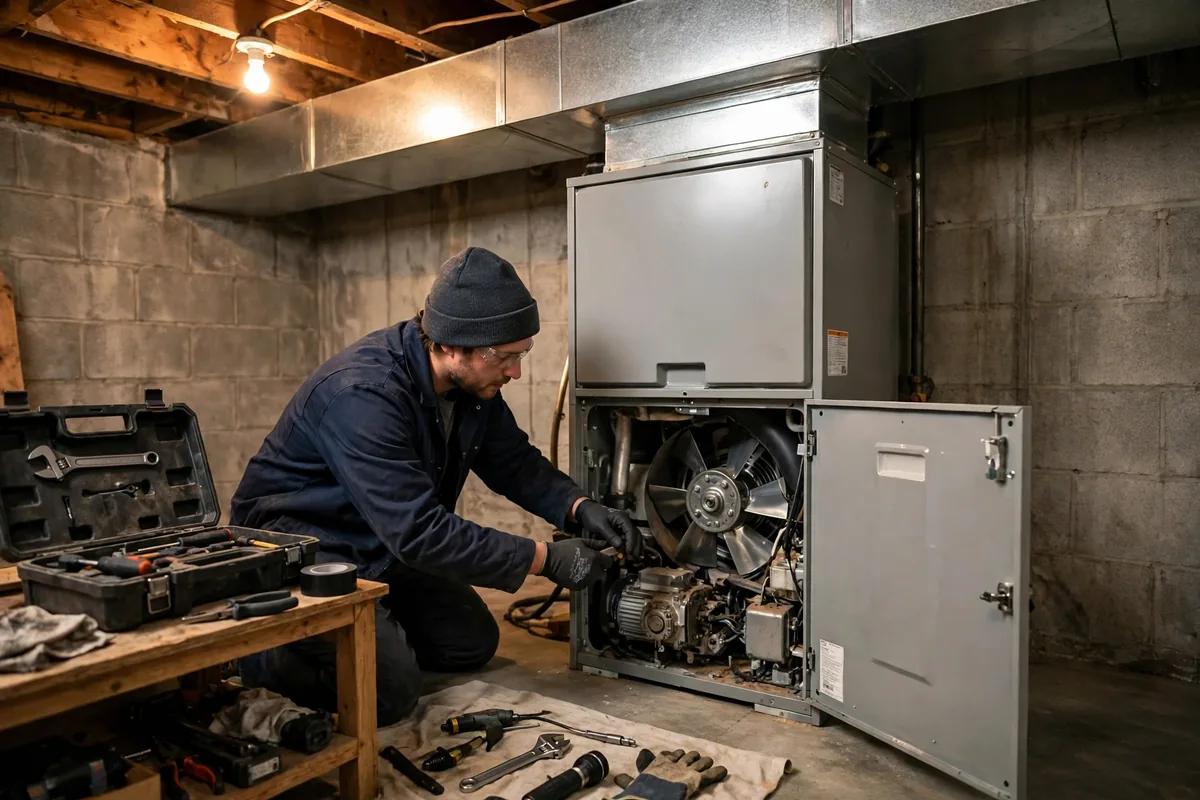
What we do
We work on furnaces and nothing else, which means every visit draws on the same deep familiarity with burners, blowers, controls, and ductwork. A furnace is not a mystery box to us, it is a system with parts that wear in known ways, and we have seen most of those failure patterns many times over in Wyoming homes.
That focus matters in a state where winter is long. A technician who splits time across many trades may know a furnace in general terms, but the small differences between a gas valve that sticks in cold weather and one that fails for another reason only show up with repetition. Our work is repetition in this one trade, across hundreds of Wyoming heating seasons.
The services on this page cover the whole life of a furnace. There is help when it breaks, help when it needs regular care, help when it is time to replace it, and help for the parts around it, like thermostats and ducts, that decide whether the heat actually reaches the rooms where people live.
Choosing help
Start with the problem, not the part. If the furnace has stopped, the emergency repair page is the right place. If it runs but a room stays cold, the ductwork and airflow page may fit better. If the thermostat and the furnace seem to disagree, the thermostat page is the one to read first.
Some jobs overlap, and that is normal. A blower motor repair and a maintenance visit can look similar from the outside, but they answer different questions: one fixes a failed part, the other keeps working parts from failing. Reading the first paragraphs of each page usually makes the distinction clear.
If you are still unsure, the fastest route is a call. Describe what the furnace is doing, what fuel it uses, and when the trouble started, and we will point you to the right service and the right next step, in plain language.
For general background on efficient heating equipment, the ENERGY STAR program publishes guidance that homeowners often find helpful before choosing equipment.
Across Wyoming
Every service on this page is available statewide. A propane furnace outside a small town gets the same attention as a gas furnace in Cheyenne, and a shop furnace in a work building gets the same care as a house furnace.
Distance changes logistics, not quality. We plan visits around Wyoming geography, and we ask the right questions on the first call so the visit is useful when we arrive. That is part of why the call matters: it lets us come prepared for the system you actually have.
Use the locations page to find your town, or call us directly. Either way, you will reach people who know Wyoming furnaces and Wyoming winters, and who will talk to you like a neighbor, not a sales script.
During the visit
A service visit starts with the symptoms you describe, then moves to the furnace itself. The technician looks at the burner or elements, the blower, the controls, and the path the air takes through the house, checking each part in turn rather than guessing at the first suspect.
Once the cause is clear, the work itself is explained before it starts, so you know what is being fixed and why. Parts that are worn get attention, connections get checked, and the system is run through a full heating cycle at the end to confirm the house is warming as it should.
If the visit turns up something larger, such as a cracked part or a system near the end of its life, that is talked through on the spot too, with the options laid out plainly. Nothing is swapped without your say so, and nothing is left half explained.
Choosing well
A furnace that will not start, a furnace that starts and stops, and a furnace that runs but leaves rooms cold are three different problems, even though they can feel alike from the living room. The first points toward ignition or controls, the second toward safety switches or airflow, and the third toward ducts, dampers, or the blower.
Fuel narrows it further. Gas furnaces have burners, valves, and flues to check, electric furnaces have elements and relays, and propane furnaces add a tank and regulator to the picture. Knowing your fuel before you browse the list below will cut the fifteen services down to the handful that could fit your home.
Age matters as well. A young furnace with a single failed part usually wants a repair, while an older unit that has needed repeated attention may be better served by the replacement page. The repair or replace post on the blog walks through that weighing in more detail.
One state
Wyoming is a big state with long distances between towns, and furnace help has to work across all of it, not just near the cities. The services on this page are offered statewide, from the southeast corner to the northwest, and the same pages describe the work wherever you live.
Distance does change how a visit is planned. The first call covers the questions that let a technician arrive prepared: fuel, symptoms, and what the system has done before. That preparation matters more when the drive is long, because a second trip for a part nobody knew was needed helps no one.
If you want to see which towns have their own pages, the locations list covers fifteen of them. Your town page describes local conditions, and it links back here to the services that apply.
Services
A no heat call gets a fast diagnosis, and the technician works through ignition, controls, and airflow until the cause shows itself.
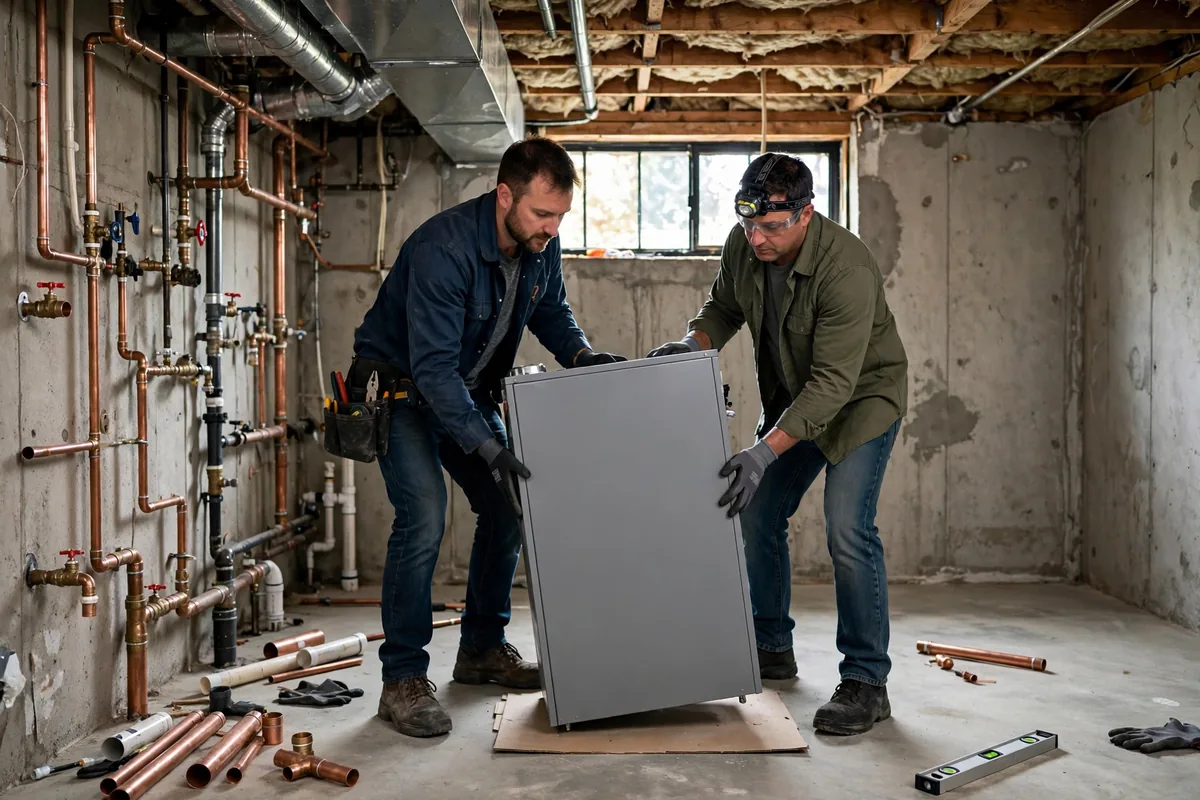
New equipment chosen for the size of the home, the fuel at hand, and the coldest nights of the year.
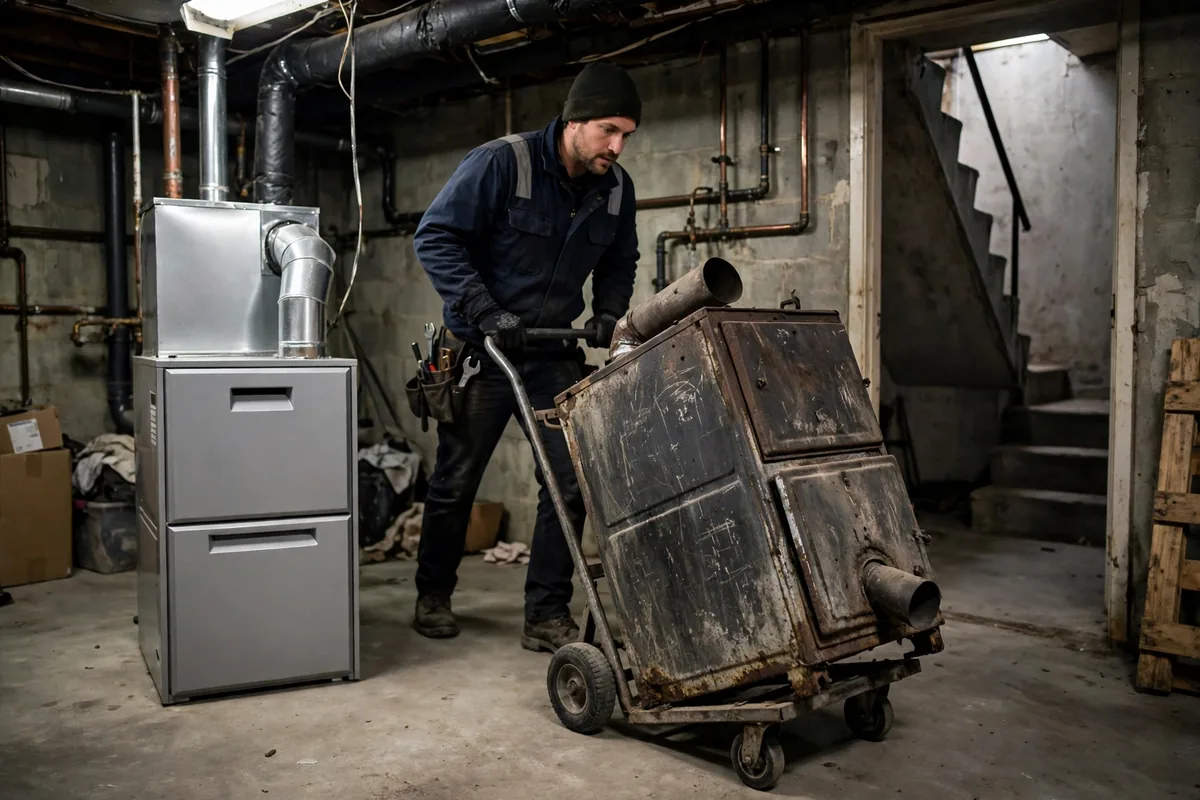
Swapping out a worn furnace for a unit that heats evenly and stops the cycle of repeat breakdowns.
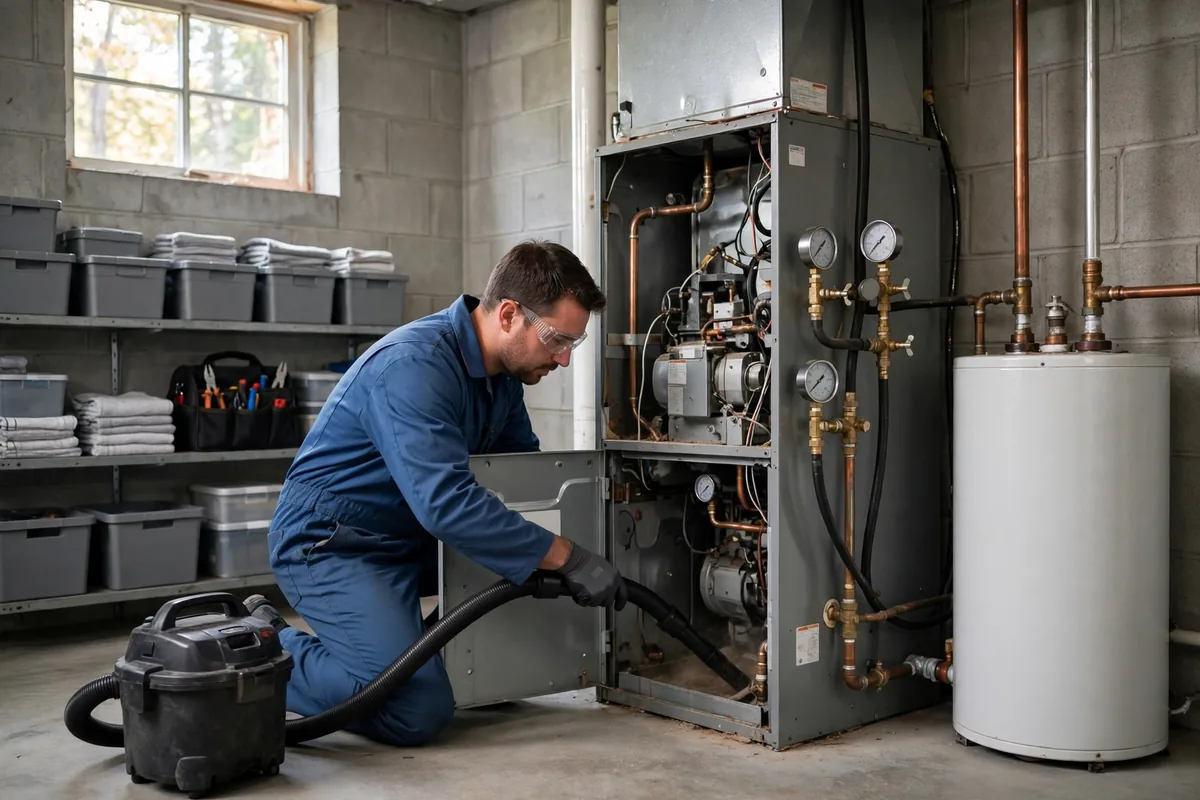
Filters, burners, motors, and safety controls checked and cleaned before winter puts the system to the test.
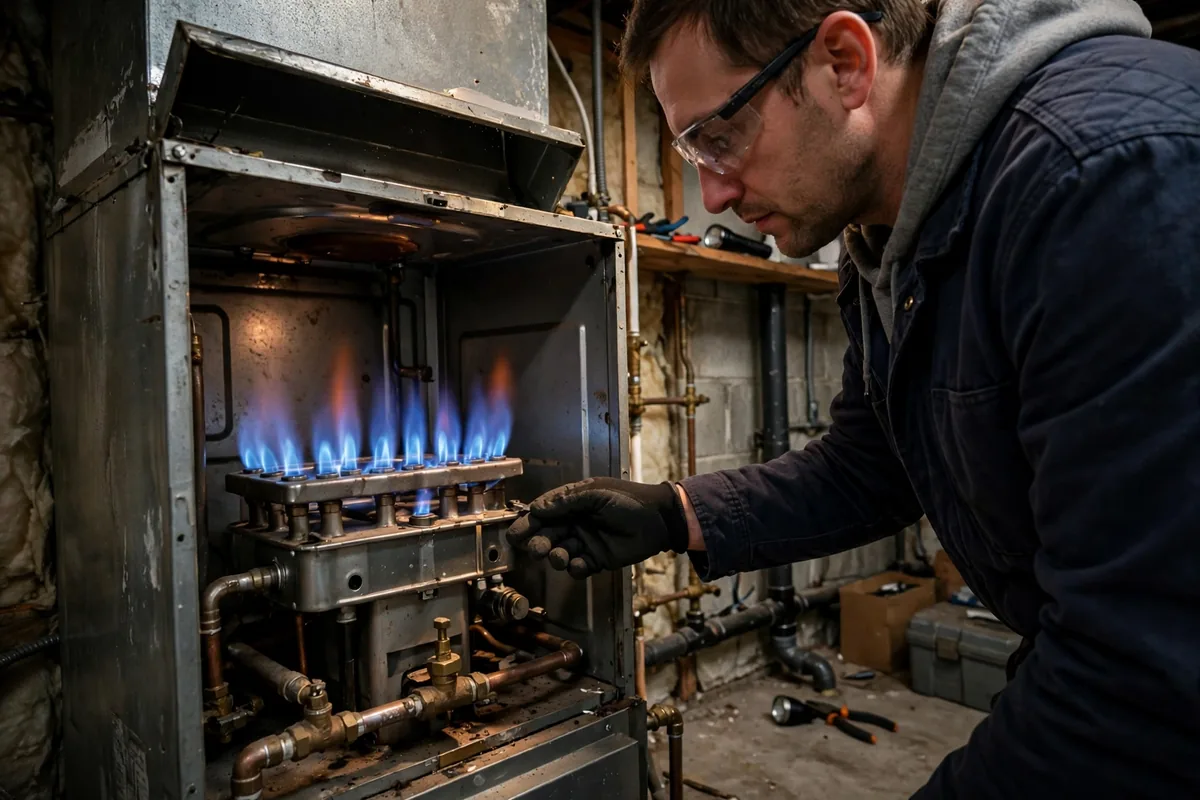
Gas valves, burners, igniters, and flues kept in good order so a gas furnace runs clean and steady.
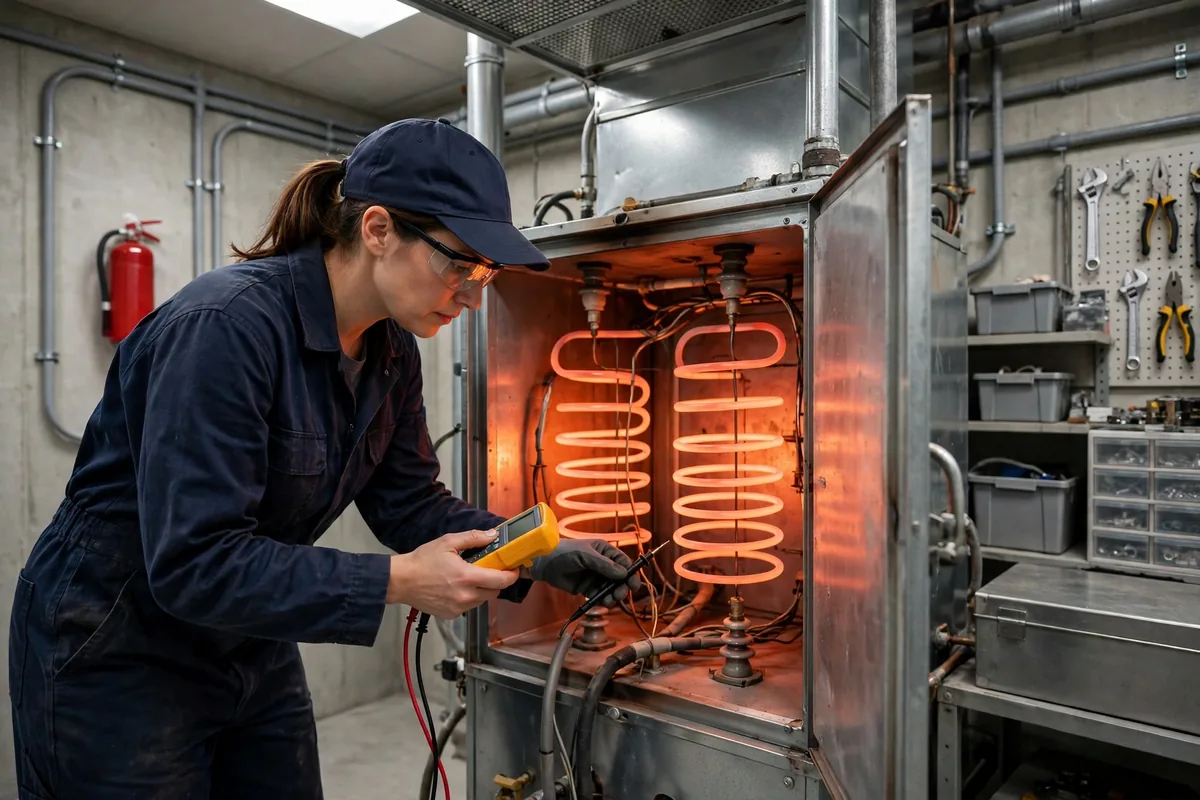
Elements, relays, and breakers tested so an electric furnace delivers full heat on every call.
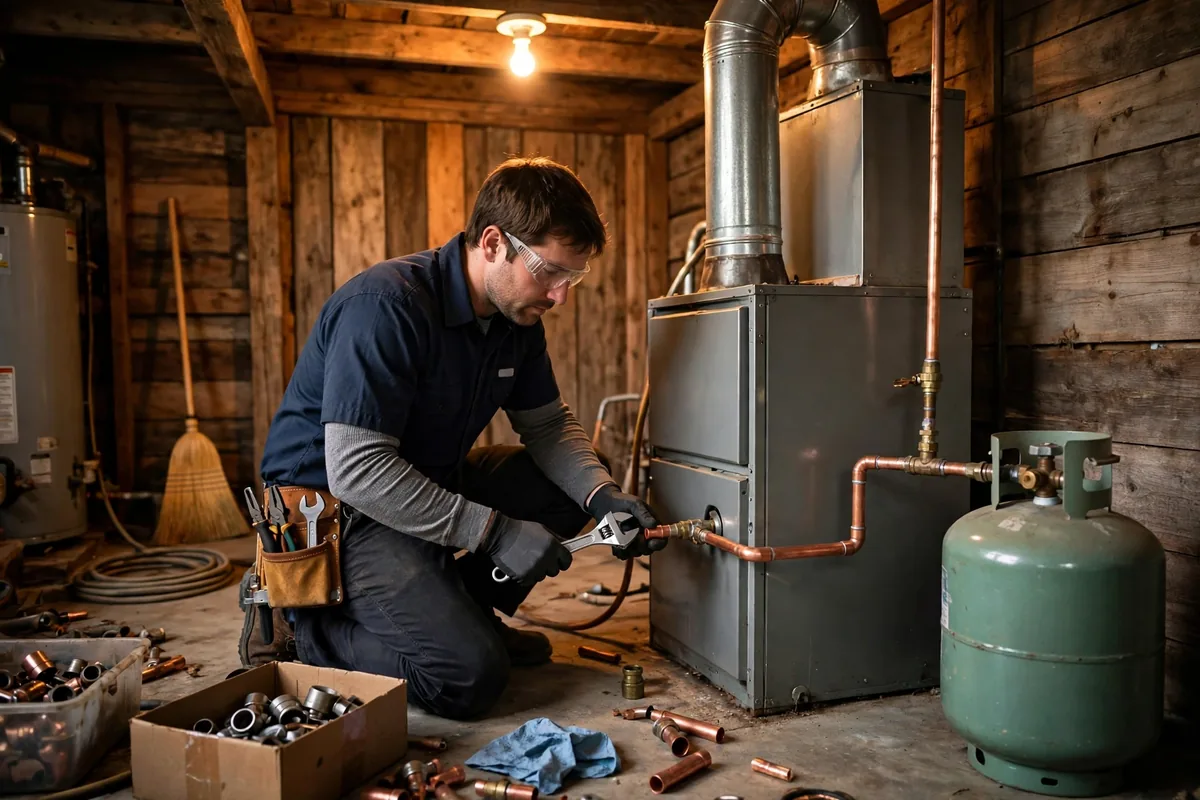
Regulators, lines, and burners checked for homes beyond the gas main, where propane is the heat source.
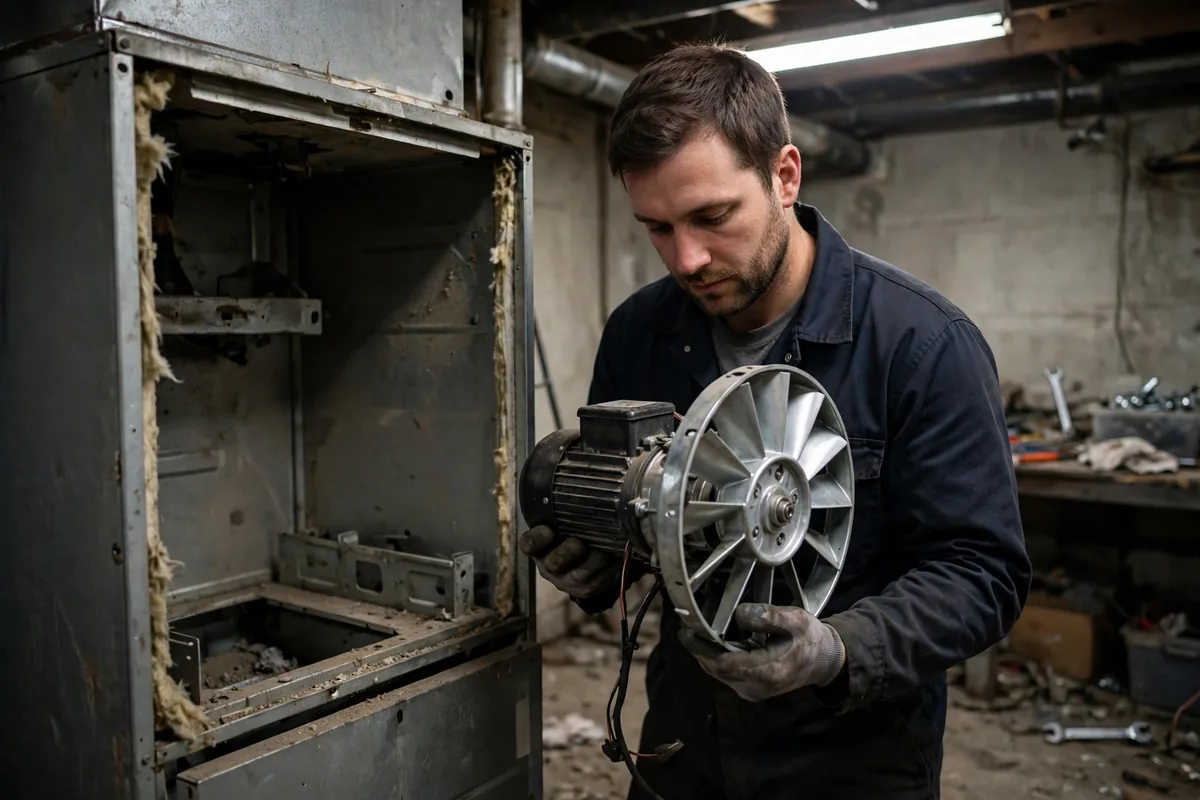
Bearings, belts, capacitors, and motors diagnosed when airflow weakens or the fan starts to complain.
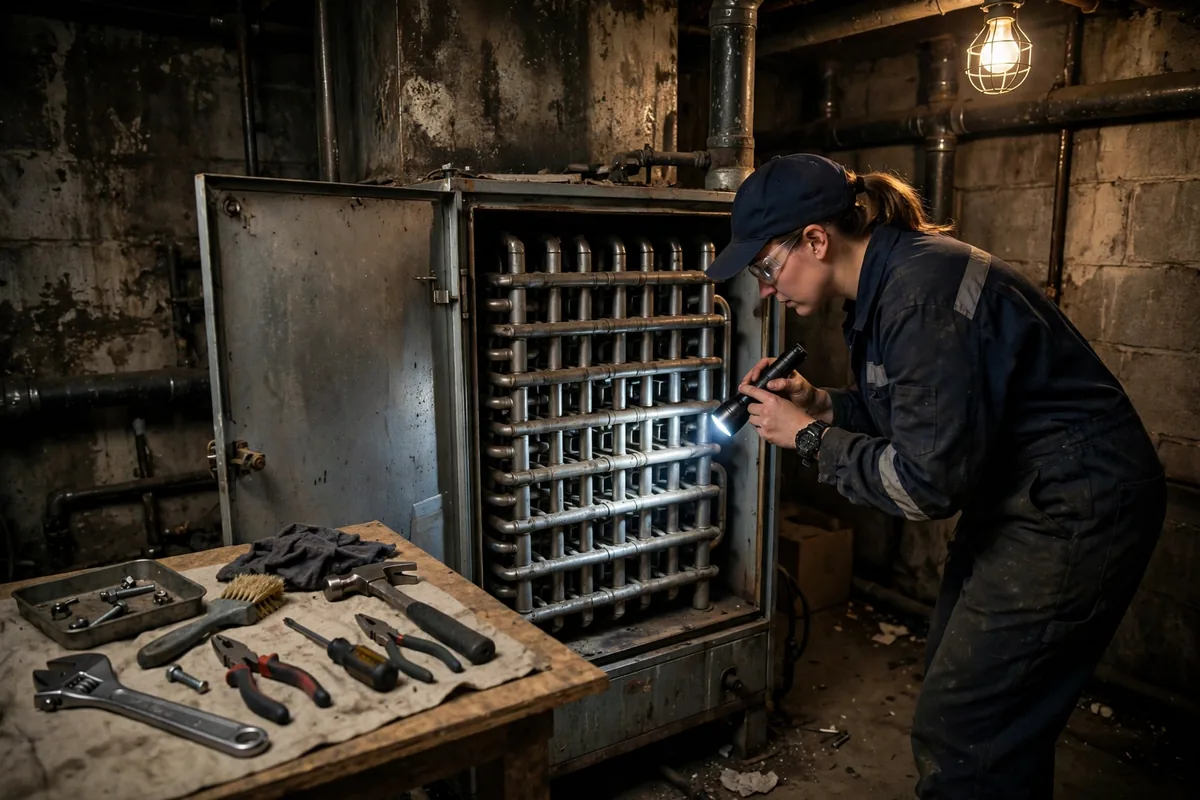
Cracks and corrosion looked for early, because a sound heat exchanger is what keeps exhaust out of the air you breathe.
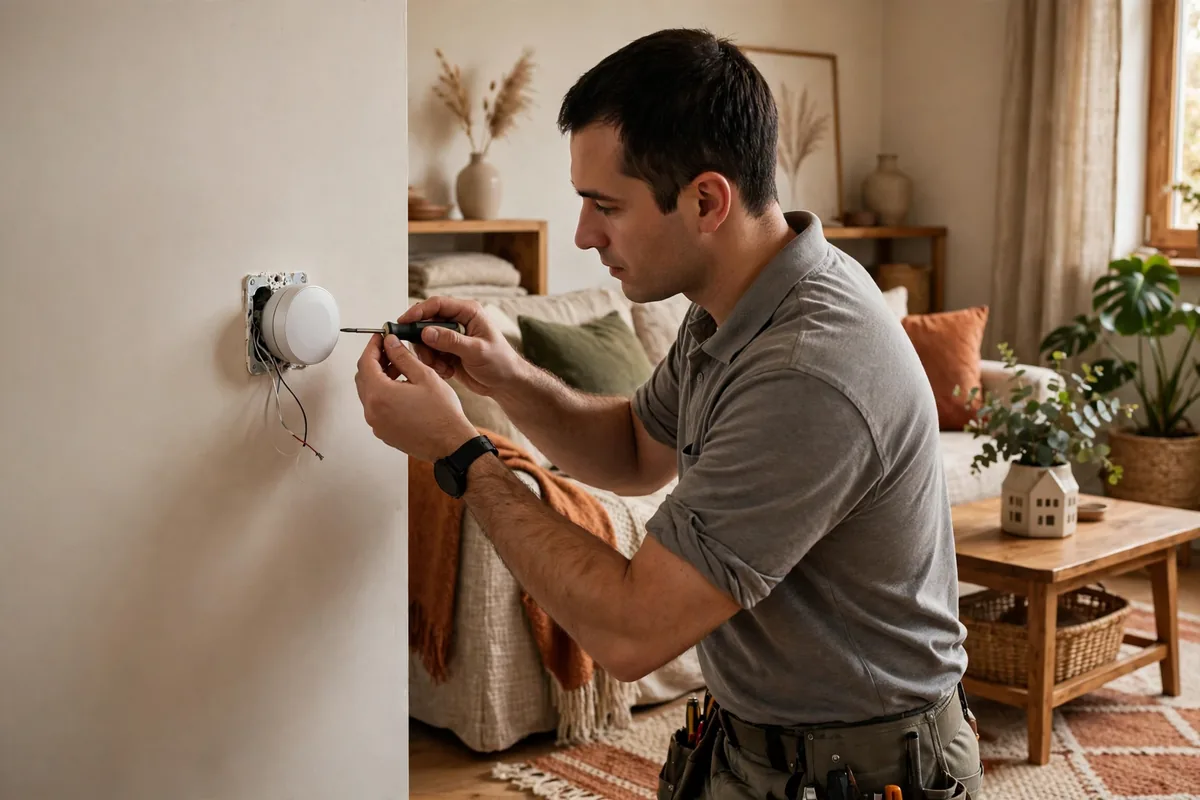
Thermostats wired, moved, or replaced so temperature calls reach the furnace clearly and correctly.
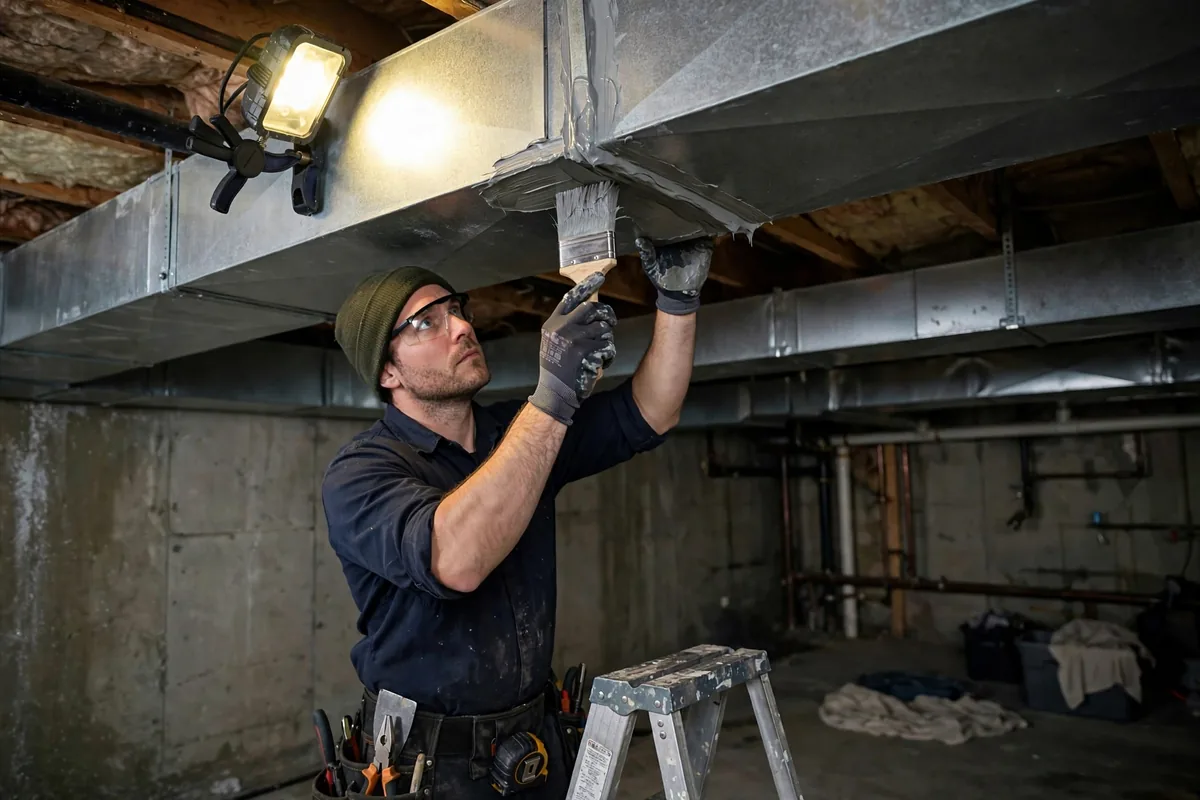
Duct joints sealed, dampers balanced, and rooms that never warm up brought back into line.
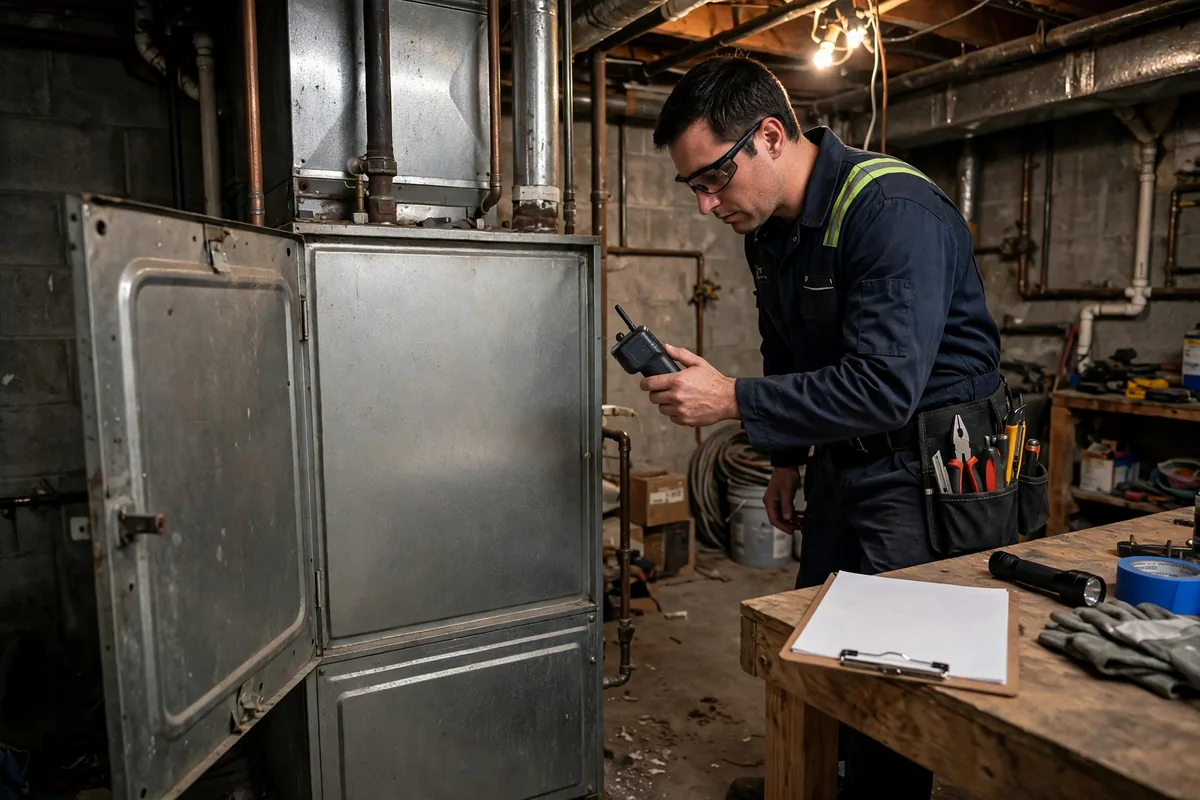
A full safety review covering gas connections, venting, flame behavior, and carbon monoxide detection.
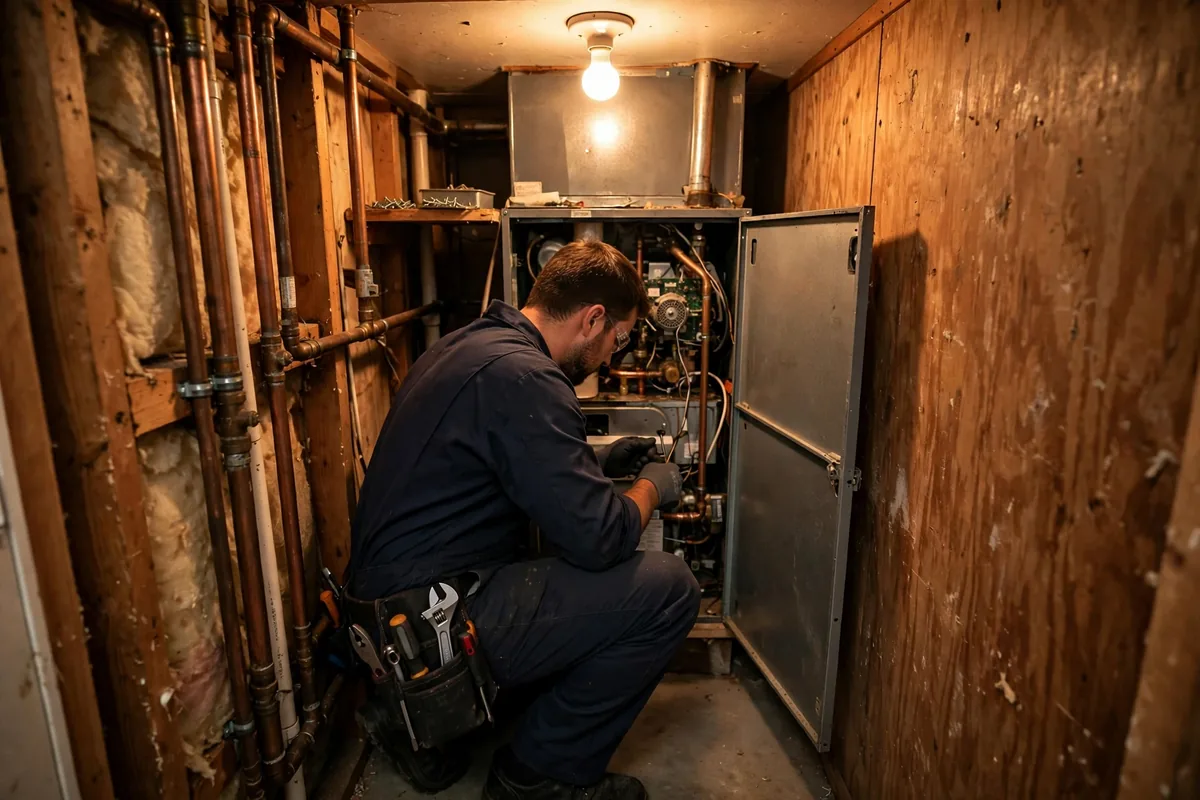
Compact furnaces and crossover ductwork serviced with parts made for manufactured housing.
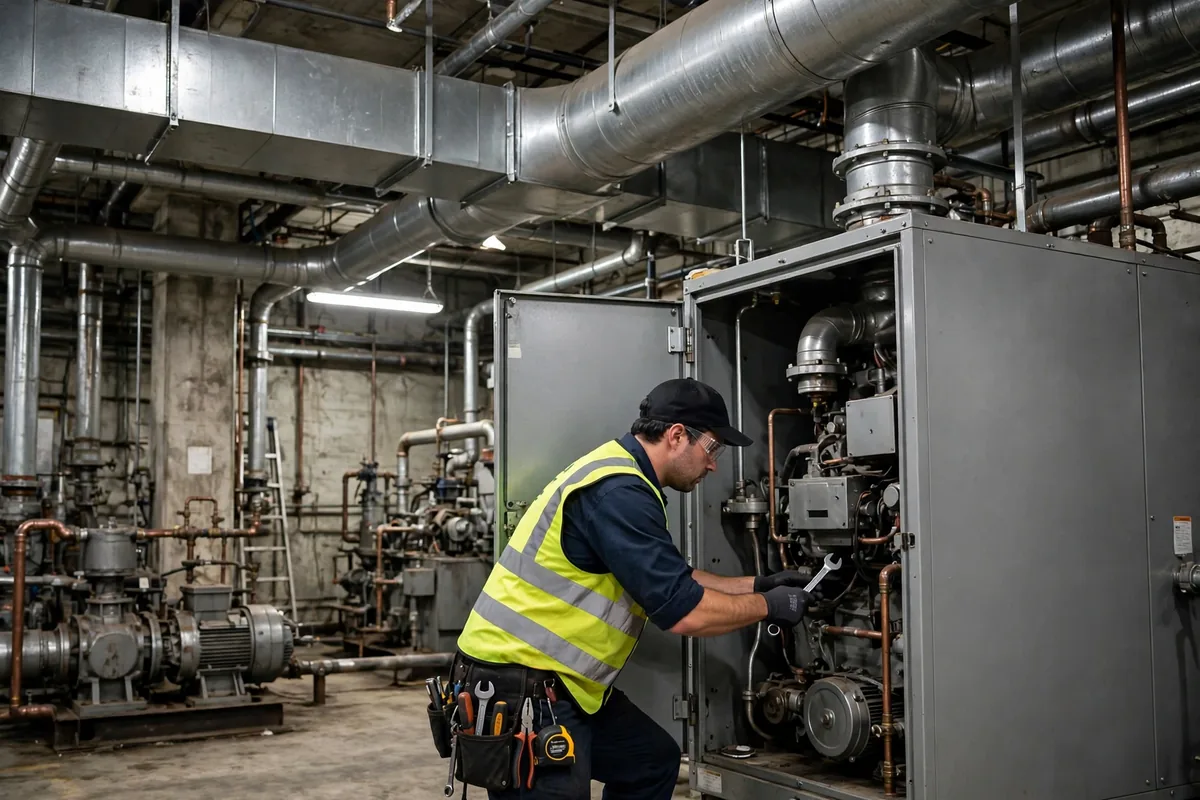
Rooftop and shop heating systems serviced with an eye on keeping the business open and warm.
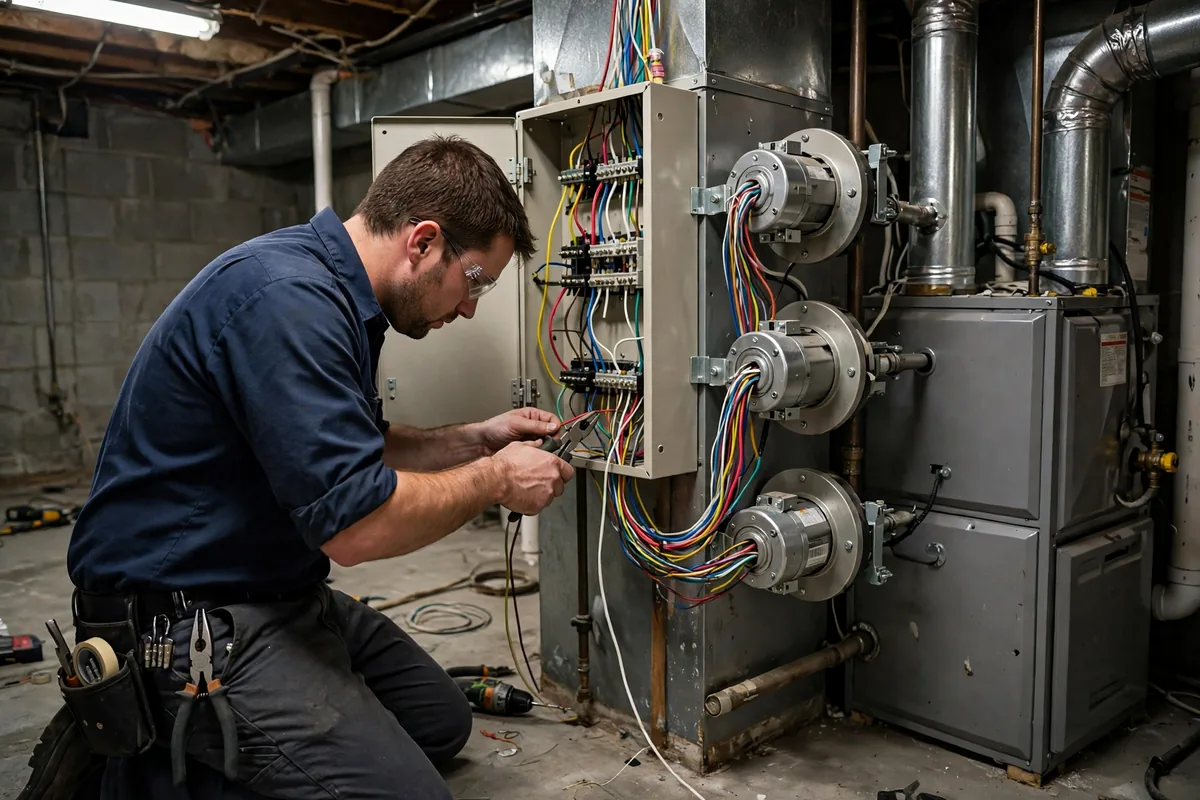
Zone dampers, thermostats, and control boards set up so each area of a building gets the heat it needs.
Not sure which service fits your furnace? Call Frontier Heating and describe what you are seeing.
Call (307) 309-8601Start with what the furnace is doing. If it has stopped, the emergency repair page fits. If it runs but rooms stay cold, look at ductwork and airflow. If it starts and stops in short bursts, the blower or controls pages may fit better. When two pages seem close, read their opening paragraphs, which describe the problem each one answers.
Yes. Every service on this page is offered across Wyoming, not only near Cheyenne. The work is the same in a small town as in a city, though the planning of a visit takes distance into account.
Often, yes. A technician checks the whole system during a visit, so a second fault found along the way can usually be handled in the same call. If the second problem needs a part that is not on hand, it is explained before anything further is arranged.
Your furnace fuel, what the system is doing or not doing, and when the trouble started are the three details that narrow it fastest. A noise, a smell, or a warning light is worth mentioning too. None of these are required, but they shorten the first conversation.
Age alone does not settle it. A tune-up on an older furnace can catch a worn part before it fails in deep winter, and it gives a clear picture of the system's condition. If the inspection turns up a serious fault, the technician will say so plainly and talk through the options.
Yes. The list includes work for all three fuels, and several pages are fuel specific, such as the gas, electric, and propane service pages. If your home uses a fuel you are unsure about, say so on the call and the right page will be pointed out.
Every service above is available across Wyoming. Call us and tell us what your furnace needs, and we will get it sorted.