01
Emergency Furnace Repair
A Rawlins emergency call on a windy night starts with vent drifts and ignition, since corridor wind blocks vents more than it breaks parts.
Wind corridor town
Rawlins sits on Interstate 80 in south-central Wyoming, the Carbon County seat, where the wind is famous across the state and winter closes the highway when storms hit. At about 6,834 feet, its furnaces face high-desert cold, relentless wind, and snow that drifts against anything standing, serving railroad, energy, and government households.
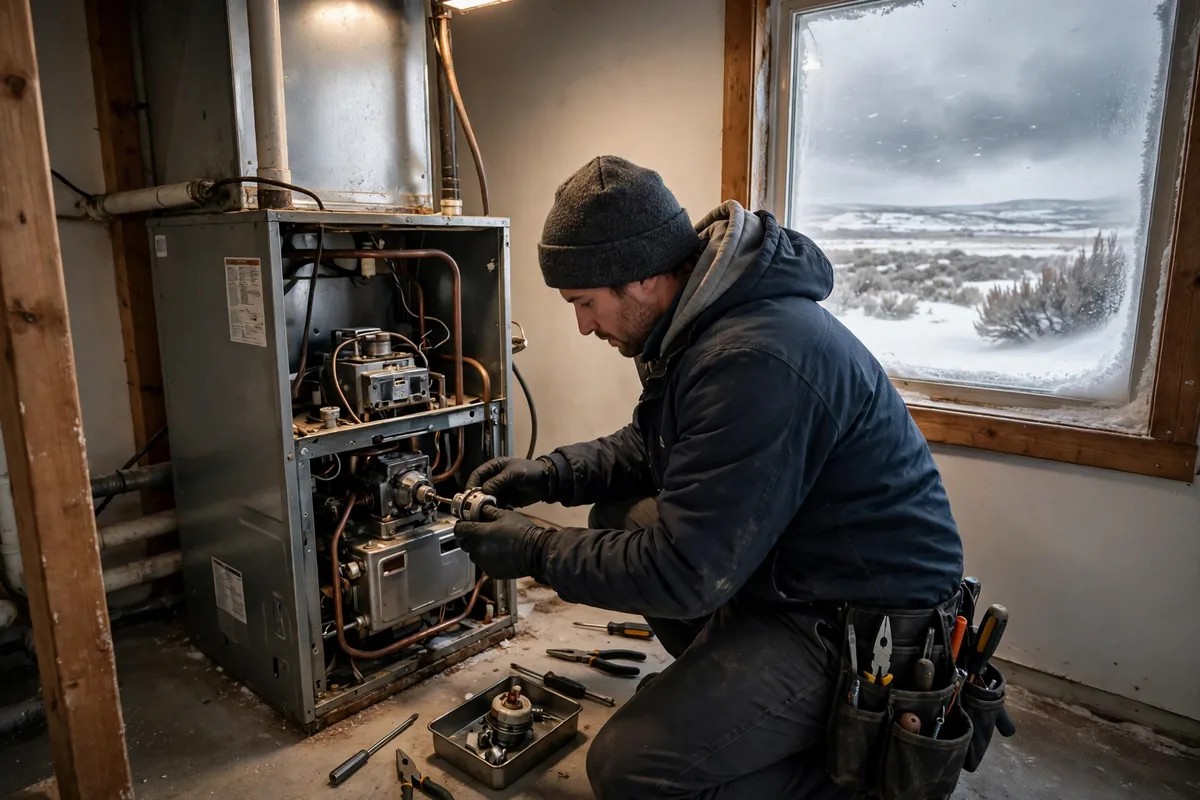
The furnace pattern in Rawlins is wind first: a home that heats on a calm day loses ground fast when the wind picks up, and a furnace that runs constantly on windy nights wears its parts sooner than the calendar suggests. We check air leaks, duct balance, and venting on every Rawlins visit, because wind touches all three.
Rawlins landmarks
Rawlins landmarks are easy anchors: the Wyoming Frontier Prison historic site, the Carbon County Museum downtown, and Rawlins City Park, with Interstate 80 running through town and the Union Pacific line alongside it. Most homes sit between downtown and the highway edges, and most furnace calls come from that band.
Those landmarks help us place a home quickly. Downtown homes tend to be older, north-side homes sit more exposed to wind, and highway-edge homes face the full force of corridor storms. A landmark near your address gives us a useful head start on the visit.
Three Rawlins landmarks anchor our visits: the Wyoming Frontier Prison, the Carbon County Museum downtown, and Rawlins City Park. Most Rawlins furnace calls fall near one of them.
Rawlins seasons
Rawlins wind season is furnace season, with fall bringing the first hard wind and the first long furnace runs, and winter bringing the combination of wind, snow, and highway closures that tests every weak part. A fall tune-up that cleans the burner, tests ignition, and checks venting can prevent the midwinter call when travel is hardest.
Spring brings wind and dust that load filters fast, and summer is the calm window for planned replacements and duct work. The United States Department of Energy home heating guidance at energy.gov covers filter care and furnace basics, and those same checks anchor our Rawlins visits.
Rawlins furnace losing to the wind? Call us and tell us which side of the house is cold.
Call (307) 309-8601Rawlins areas
Downtown Rawlins holds the oldest homes and the county buildings, the north and south sides spread toward open ground and the highway, and the airport and industrial areas mark the working edge of town. Sinclair sits nearby on the interstate and shares Rawlins weather and housing patterns, with energy workforce homes of its own.
Formal named subdivisions are few in Rawlins, so we describe areas by direction and landmark rather than inventing names. When you call, tell us the nearest landmark and the house age, and we will know whether to expect an old basement furnace, a long duct run, or a newer vented system.
We serve Rawlins and nearby Carbon County communities, including these areas. Formal named subdivisions are few here, so areas are described by direction and landmark.
Downtown RawlinsNorth RawlinsSouth RawlinsRawlins City Park areaAirport areaSinclair
Rawlins ZIP codes we cover: 82301.
Rawlins homes
Rawlins housing mixes railroad-era homes near downtown with mid-century streets and newer builds, plus manufactured homes on the edges, all shaped by energy booms and busts that swing household fortunes. The older homes often have basements and ductwork added over decades, while newer homes sit on open, windy lots where one side loses heat fast.
Energy and government work shapes Rawlins households, with shift workers, prison staff, and highway crews who need heat at odd hours. A thermostat program built for a standard household leaves shift bedrooms cold in the morning, so we set controls around the real schedule on Rawlins visits, and we check zoning for homes where bedrooms and living rooms need heat at different times.
Rawlins wind
Rawlins wind deserves its reputation, and it shapes furnace work more here than anywhere else on this site. Wind drives cold air through gaps in siding, window frames, and attic hatches, cools the windward side of a house far faster than the sheltered side, and pushes snow against sidewall vents until they drift shut. A Rawlins furnace runs long hours against that combination, and blower motors, igniters, and capacitors wear sooner for it.
Highway closures add a Rawlins twist: when I-80 closes in a storm, a furnace failure becomes harder to reach and harder to bear, since parts and technicians cannot travel freely. That is why fall preparation matters more in Rawlins than in most towns, and why a tune-up that seems early in September is actually right on time.
Furnace help
Rawlins needs wind-tough furnace work, and each line below is written for this I-80 corridor town.
01
A Rawlins emergency call on a windy night starts with vent drifts and ignition, since corridor wind blocks vents more than it breaks parts.
02
Installing a furnace in a Rawlins railroad-era home means matching ducts to old runs and windy exposure, not just swapping the cabinet.
03
Rawlins furnaces that fail every wind season usually have wind-damaged vent caps and cracked exchangers together, and replacing the unit without fixing the vent repeats the story.
04
A Rawlins tune-up in fall cleans burners and sensors and checks venting before wind season and highway closures arrive.
05
Gas furnaces heat most of Rawlins, and corridor wind makes venting checks and long run hours the top priorities on them.
06
Electric furnaces in Rawlins apartments and additions can lose an element quietly, leaving a zone cold while the thermostat keeps calling.
07
Homes outside Rawlins on propane face corridor cold and long supply runs, so tank and regulator health get checked first on rural calls.
08
Rawlins corridor wind drives dust into blower cabinets, and a blower that grinds after a storm has usually swallowed grit through a loose filter slot.
09
Wind-driven downdrafts in Rawlins push exhaust back through exchangers, and repeated sooting there means the venting, not just the metal, needs fixing.
10
A thermostat on a sunny Rawlins wall misreads the house during wind shifts, so we check placement on homes with swinging temperatures.
11
Rawlins corridor wind finds attic duct seams and blows warm air out before it reaches rooms, so sealing seams with mastic is the first fix on windy-side complaints.
12
A Rawlins safety inspection centers on venting, since corridor wind can stall a draft or drive snow against a sidewall pipe.
13
Rawlins manufactured homes on windy lots lose heat through thin walls and floor ducts, so we seal duct joints under the home before recommending a bigger furnace.
14
Rawlins highway businesses face wind that finds every loading door, so their commercial furnaces need vestibule-aware controls and sealed duct runs.
15
Rawlins highway-crew households keep opposite shifts under one roof, and two zones let one partner sleep warm while the other is out on the road.
On the visit
Rawlins wind is famous across the state, and a home that heats on a calm day loses ground fast when the wind picks up. A visit follows this order so the first failed link explains everything after it.
First, is the heat signal reaching the furnace, and is the thermostat set warmer than the room itself?
Is the furnace switch on, the breaker set, and power reaching the unit?
Does the burner light when it should, or does it fail to catch on a windy night?
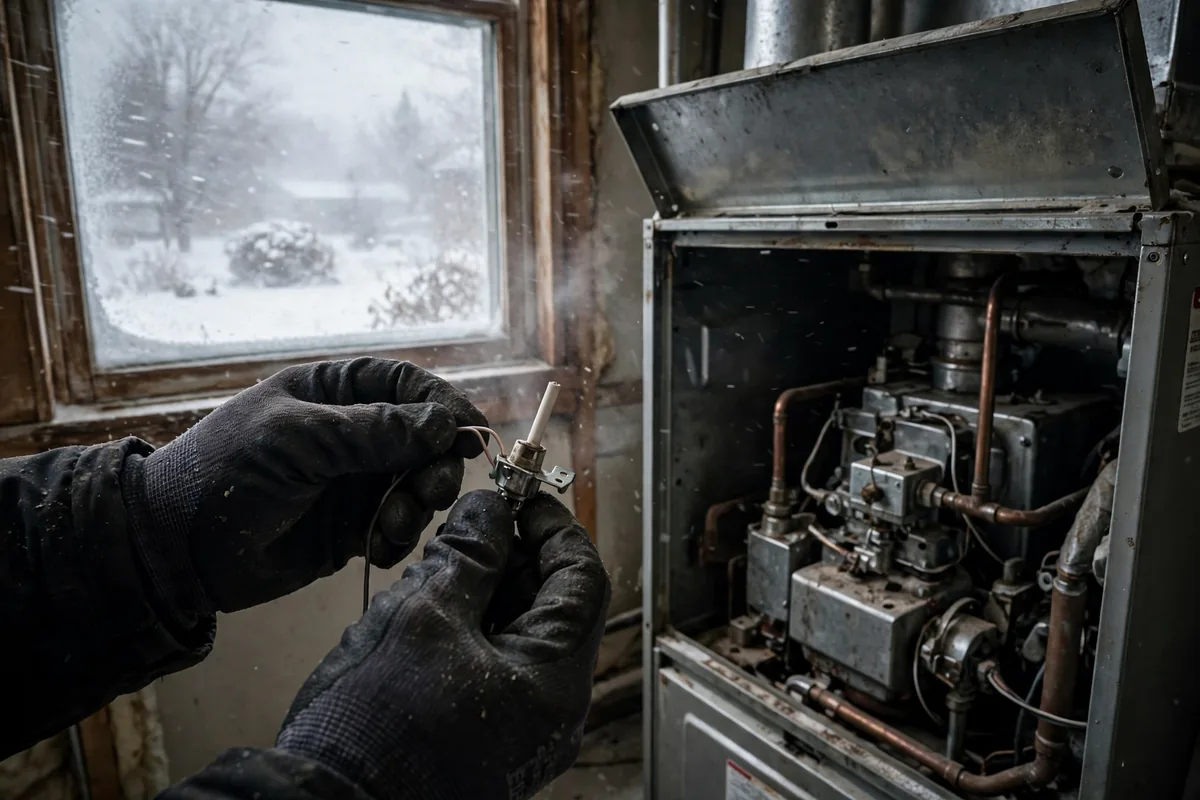
Has wind or drifting snow disturbed the venting, since a blocked vent trips a safety switch and locks the furnace out?
Is warm air moving through the ducts, and are air leaks and duct balance letting wind-side rooms starve?
Did a switch trip because of something else, such as a blocked vent or an overheated exchanger, rather than failing by itself?
Symptoms
Rawlins wind touches air leaks, duct balance, and venting all at once, so a Rawlins symptom usually points at more than one of them.
What it usually means: Wind drives cold air in faster than the furnace replaces it, and a weak part shows up on windy nights. What to do: Tell us which side of the house is cold, and whether the trouble started with the wind.
What it usually means: Constant running wears parts sooner than the calendar suggests, and a tired motor or dirty sensor gives out under that load. What to do: Note whether the furnace ever reaches the thermostat setting, and when the constant running started.
What it usually means: North-side homes sit more exposed to wind, and downtown homes tend to be older, so exposure and age combine. What to do: Tell us the nearest landmark and the house age, so we know what to expect.
What it usually means: Highway-edge homes face the full force of corridor storms, with wind and drifting snow together. What to do: Say whether the cold rooms face the highway side, and whether snow has drifted against the house.
What it usually means: A dirty flame sensor or weak igniter shows up on the first long furnace run of a wind season. What to do: Note how long the burner stays lit, and do not keep resetting the furnace.
What it usually means: Spring brings wind and dust that load filters fast, and a loaded filter starves the blower. What to do: Check the filter through the windy season, and change it when it looks loaded.
How it works
Wind season is furnace season in Rawlins, and the furnace has to do its whole job while the wind works against the house. The flow below is the job in order, from the wall to the rooms.
The thermostat calls for heat, and the furnace answers with its start-up sequence, checking safety switches before the burner lights.
The burner lights and warms the heat exchanger. On a windy night, venting matters here most, since gusts and drifting snow can disturb the flue.
The blower pushes warmed air through the ducts. Air leaks and duct balance decide whether the wind-side rooms get their share or starve.
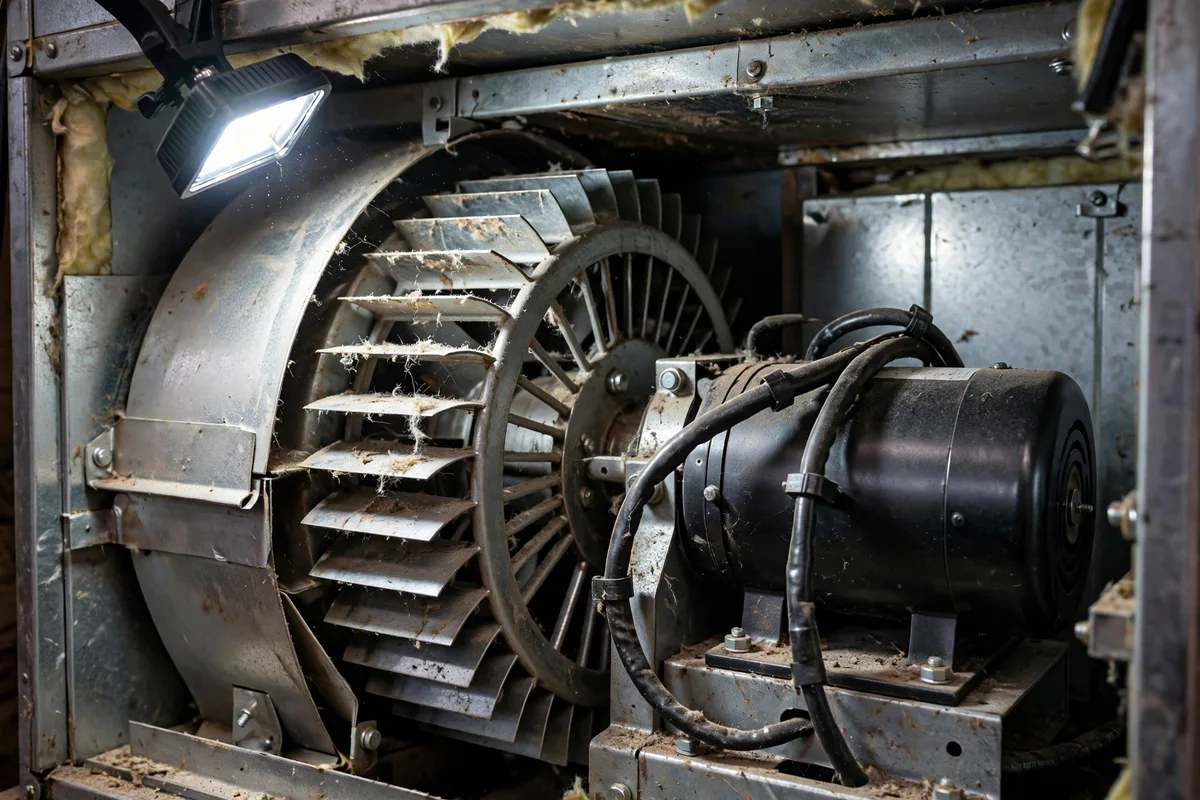
A furnace that runs constantly on windy nights wears its parts sooner than the calendar suggests, which is why a Rawlins visit checks air leaks, duct balance, and venting together, because wind touches all three.
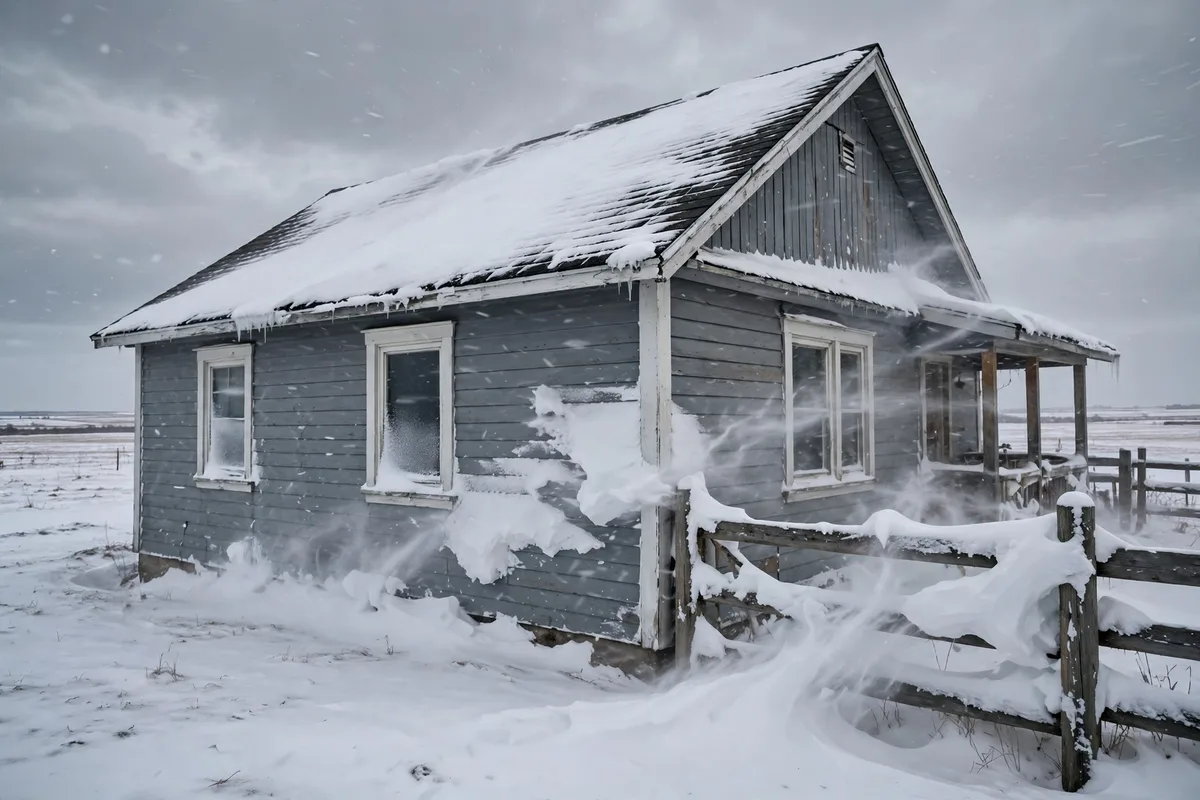
Rawlins sits on Interstate 80 in south-central Wyoming, where the wind is famous across the state and winter closes the highway when storms hit. At about 6,834 feet, its furnaces face high-desert cold, relentless wind, and snow that drifts against anything standing.
Local answers
Wind drives cold air through gaps and cools the windward side of a house far faster than the sheltered side, forcing the furnace into long runs. Air sealing around windows, doors, and attic hatches helps as much as any furnace part, and a blower that runs constantly on windy days may be fighting leaks rather than failing on its own.
Wind-driven snow may have drifted against the sidewall vent pipes, which trips a safety switch and locks the furnace out. Clear drifts gently from the pipes and see if the unit restarts, but call us if it locks out again, since repeated lockouts point to venting, pressure-switch, or ignition trouble that needs a technician.
Yes. A fall tune-up matters more in Rawlins, because a furnace failure during a highway closure is harder to reach and harder to bear. Stock a clean spare filter, keep vent pipes clear of drifts, and arrange for a fall check before wind season, so a weak part is found while travel is still easy.
The windward rooms lose heat fastest while the sheltered side stays warm, and long duct runs lose warmth before reaching far rooms. Balancing dampers, sealing duct leaks, and zoning the windy side usually evens the house out better than raising the thermostat for the whole house.
Rawlins wind can make a furnace short-cycle by cooling the thermostat wall in gusts, so the unit fires, quits, and fires again as the wall temperature swings. A blocked return or an overheating limit switch causes the same pattern without wind. A technician separates the two by checking airflow and limit readings on a windy day.
Early fall is best, before wind season and highway closures arrive. A fall tune-up cleans the burner and flame sensor, tests ignition, and checks venting, which prevents most midwinter failures. Waiting until the first windy cold snap risks a no-heat call when travel and scheduling are hardest.
Tell us your area, which side of the house is cold, and what the furnace is doing. We will talk through the safe checks and book a visit.
Call (307) 309-8601 Contact Frontier Heating